Kornet-E is a 3rd generation anti-armour missile system.
 The Kornet-E tripod launcher
 The Kornet-E launch tube and missile.
 The operator uses either optical or thermal sight to detect and track the target.
 Kornet-E is a 3rd generation anti-armour missile system.
The Kornet-E tripod launcher
The Kornet-E launch tube and missile.
The operator uses either optical or thermal sight to detect and track the target.
Kornet-E is a 3rd generation anti-armour missile system.
The Kornet-E tripod launcher
The Kornet-E launch tube and missile.
The operator uses either optical or thermal sight to detect and track the target.
 India to carry out test flight of LCH soon
 'Right is on our side' over Georgia crisis says Putin
(NSI News Source Info) MOSCOW - August 31, 2008: Russian Prime Minister Vladimir Putin has said that "right is on our side" in regard to the current crisis over Georgia.
Putin was speaking on the Russian Vesti TV channel.
"Whatever they might say there - right is on our side," said Putin, referring to Western criticism. Last Tuesday, Moscow recognized South Ossetia and another Georgian breakaway republic, Abkhazia, as independent states, despite warnings from Western leaders not to do so. The move came two weeks after Moscow had announced the end of its operation "to force Georgia to peace."
The Russian military operation followed an attack by Georgia troops on South Ossetia on August 8.
EU leaders are set to gather in Brussels for an emergency meeting on Georgia. The 27-nation organization is expected to discuss future relations with Russia. A number of member states, including Britain and Poland, have called for sanctions against Moscow, as well as the postponement of talks on a new partnership and cooperation agreement with Russia.
"We are behaving in an absolutely moral way and in the framework of all existing international laws," said Putin.
"And so, if any of the European countries wish to serve someone else's foreign interests - go ahead, we cannot insist otherwise," the former Russian president said.
Putin had earlier accused the White House of provoking the conflict in Georgia in order to give an advantage to "one of" the U.S. presidential candidates.
Washington has denied the allegation.
'Right is on our side' over Georgia crisis says Putin
(NSI News Source Info) MOSCOW - August 31, 2008: Russian Prime Minister Vladimir Putin has said that "right is on our side" in regard to the current crisis over Georgia.
Putin was speaking on the Russian Vesti TV channel.
"Whatever they might say there - right is on our side," said Putin, referring to Western criticism. Last Tuesday, Moscow recognized South Ossetia and another Georgian breakaway republic, Abkhazia, as independent states, despite warnings from Western leaders not to do so. The move came two weeks after Moscow had announced the end of its operation "to force Georgia to peace."
The Russian military operation followed an attack by Georgia troops on South Ossetia on August 8.
EU leaders are set to gather in Brussels for an emergency meeting on Georgia. The 27-nation organization is expected to discuss future relations with Russia. A number of member states, including Britain and Poland, have called for sanctions against Moscow, as well as the postponement of talks on a new partnership and cooperation agreement with Russia.
"We are behaving in an absolutely moral way and in the framework of all existing international laws," said Putin.
"And so, if any of the European countries wish to serve someone else's foreign interests - go ahead, we cannot insist otherwise," the former Russian president said.
Putin had earlier accused the White House of provoking the conflict in Georgia in order to give an advantage to "one of" the U.S. presidential candidates.
Washington has denied the allegation.
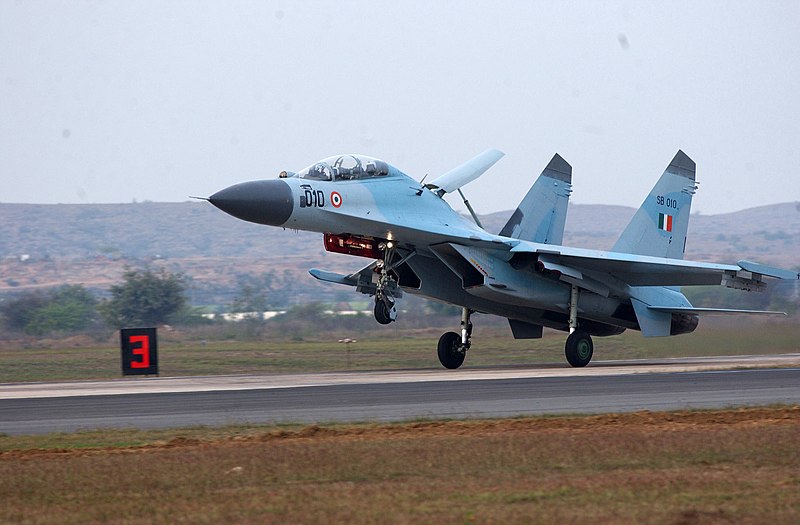 Russian Su-30 Fighter Planes Arrive In Venezuela
 DRS Awarded Contracts To Provide MSTAR
 Military Matters: Economic crisis and 4GW
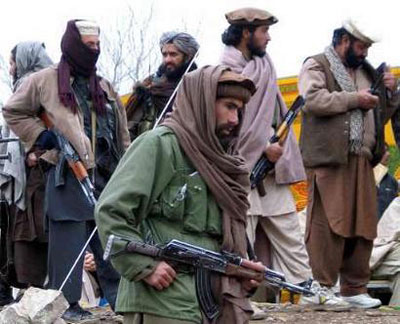 Pakistan & India's internal unrest making headlines news
(NSI News Source Info) August 31, 2008: For the last two months, fighting in Pakistan, along the Afghan border, has left over a thousand dead, several thousand wounded and over half a million refugees. Most of the casualties are among the Islamic militants, and most of those are Taliban. Al Qaeda and Taliban suicide bombers operate, but not in large enough numbers to have much impact.
In Pakistan's Swat valley, the army continues its offensive against Islamic militants, who refuse to surrender, or adhere to the terms of any ceasefire they agree to. It's the usual factionalism among the Islamic radicals that makes it impossible to negotiate with the radicals. So the army is bombing Islamic radical camps, and rounding up leaders, or at least trying to. In the Swat Valley, the local Islamic terrorist leader (a cleric with a militant following) has based his terror campaign on the need to halt the education of girls. The Taliban considers this un-Islamic, and over a hundred girls schools in the Swat Valley have been shut or destroyed by the Taliban.
Civil unrest in Indian Kashmir, where the Moslem majority in the northern half of the state agreed to halt their campaign of non-violent protest. The Hindu minority agreed as well. This is more of a truce, than a resolution of the conflict. The Moslems were protesting the expansion (by a hundred acres) of facilities around a Hindu shrine, and the increasing number of Hindus making the pilgrimage (many doing so as a form of protest against Islamic efforts to separate Kashmir from India). This goes to the root of Moslem-Hindu relations in South Asia. While Hinduism is a tolerant (by world standards) and ancient religion with thousands (polytheistic) of gods, Islam is a much more aggressive, monotheistic (one god) and recent religion that is intolerant of other religions. While Islam appeared 1400 years ago, it took about 400 years before a proper invasion of India could be carried out. The Hindus resisted, India being one of the few places where the majority of the conquered people did not convert. In fact, most of the Indians who converted to Islam were those from the bottom castes (of the Hindu caste system that assigns all families to a permanent socio-economic status, and is pretty bad for those in the lowest castes). In all, Islam managed to convert about a quarter of the people in what is now India, Bangladesh and Pakistan. While most of the 15 percent of India's population that is Moslem have accommodated themselves to peacefully coexisting with Hindus (and Christians and all the other religious minorities of India), there are still Islamic conservatives in majority Moslem Pakistan and Bangladesh who regard India as unfinished business, in terms of the need to forcibly convert those pagan Hindus to the One True Religion. In majority Moslem Kashmir, that ancient animosity towards Hindus is back in play as a popular enthusiasm. There, two months of Moslem protests against Hindu shrines and pilgrims has caused enormous damage to the local economy, which is heavily dependent on tourism (both secular and religious). The widespread violence prevented food and other goods to get to many parts of the province, causing much hardship. While the generally peaceful mass protests have been going on, the Islamic terrorists have still been active. But these were easier to deal with, as the Islamic terrorists fight to the death, while the protesters keep on coming back.
In Pakistan's northwest, major fighting continues in the Kurram Agency (along the Afghan border) where hundreds of Shia and Sunni tribesmen have been killed or wounded in over two weeks of fighting. It's all about religious differences and tribal feuds.
August 30, 2008: In southwest Pakistan, the provincial Senate of Baluchistan had a debate where members defended five recent cases of young women being murdered (by being buried alive) for having somehow offended the honor of their families. Many Senators insisted this must be allowed to continue, as it is an important tribal tradition among the Baluchi tribes. Female Senators and politicians disagreed.
In Pakistan, the army has announced a Ramadan (the annual month of prayer, fasting and feasting) ceasefire. This probably won't hold, but many tribesmen go back to their home villages for Ramadan, so the level of violence will probably decline. The army later pointed out that the ceasefire does not over all the tribal areas, and that the army will continue operations against Taliban and al Qaeda groups that are still active.
Over a week of religious violence in eastern India (Orissa) has left at least a dozen dead, and 5,000 people (mainly Christians) chased from their homes by Hindu radicals. The army has been ordered in and told to shoot Hindu rioters and looters, and do whatever it takes to stop the violence.
August 26, 2008: The Pakistani government has officially banned the TTP (Tehreek-e-Taliban Pakistan), the umbrella organization for the Pakistani Taliban. This means the TTP can no longer operate openly throughout Pakistan. No bank accounts, no public fund raising and recruiting. It will slow down the TTP.
August 25, 2008: In Pakistan, the government refused a Taliban offer of a ceasefire during Ramadan. The Islamic radicals constantly violate these agreements, and the government is no longer willing to go along with this scam.
August 24, 2008: In eastern India (Orissa) a group of Maoist gunmen killed a Hindu political leader. The Maoists were trying to gain the support of local Christians. Most of the people converting to Christianity are from the bottom castes (of the Hindu caste system that assigns all families to a permanent socio-economic status, and is pretty bad for those in the lowest castes). This makes the upper caste Hindus, and Hindu radicals, angry, especially about 20 percent of the tribal peoples in Orissa have converted to Christianity. In this area, that comes to over 120,000 people. The radicals accuse the Christian missionaries of paying poor Hindus to convert, and use this fantasy to justify using force against the missionaries and their converts. The large number of Christians in the area are seen as a threat to Hinduism. The government tries to keep the peace, while the Maoists try to stir up Hindu radical violence. The Maoists don't believe in any religion, but will exploit religious feuds for political gain. About three percent of Indians are Christian, while 84 percent are Hindu.
Pakistan & India's internal unrest making headlines news
(NSI News Source Info) August 31, 2008: For the last two months, fighting in Pakistan, along the Afghan border, has left over a thousand dead, several thousand wounded and over half a million refugees. Most of the casualties are among the Islamic militants, and most of those are Taliban. Al Qaeda and Taliban suicide bombers operate, but not in large enough numbers to have much impact.
In Pakistan's Swat valley, the army continues its offensive against Islamic militants, who refuse to surrender, or adhere to the terms of any ceasefire they agree to. It's the usual factionalism among the Islamic radicals that makes it impossible to negotiate with the radicals. So the army is bombing Islamic radical camps, and rounding up leaders, or at least trying to. In the Swat Valley, the local Islamic terrorist leader (a cleric with a militant following) has based his terror campaign on the need to halt the education of girls. The Taliban considers this un-Islamic, and over a hundred girls schools in the Swat Valley have been shut or destroyed by the Taliban.
Civil unrest in Indian Kashmir, where the Moslem majority in the northern half of the state agreed to halt their campaign of non-violent protest. The Hindu minority agreed as well. This is more of a truce, than a resolution of the conflict. The Moslems were protesting the expansion (by a hundred acres) of facilities around a Hindu shrine, and the increasing number of Hindus making the pilgrimage (many doing so as a form of protest against Islamic efforts to separate Kashmir from India). This goes to the root of Moslem-Hindu relations in South Asia. While Hinduism is a tolerant (by world standards) and ancient religion with thousands (polytheistic) of gods, Islam is a much more aggressive, monotheistic (one god) and recent religion that is intolerant of other religions. While Islam appeared 1400 years ago, it took about 400 years before a proper invasion of India could be carried out. The Hindus resisted, India being one of the few places where the majority of the conquered people did not convert. In fact, most of the Indians who converted to Islam were those from the bottom castes (of the Hindu caste system that assigns all families to a permanent socio-economic status, and is pretty bad for those in the lowest castes). In all, Islam managed to convert about a quarter of the people in what is now India, Bangladesh and Pakistan. While most of the 15 percent of India's population that is Moslem have accommodated themselves to peacefully coexisting with Hindus (and Christians and all the other religious minorities of India), there are still Islamic conservatives in majority Moslem Pakistan and Bangladesh who regard India as unfinished business, in terms of the need to forcibly convert those pagan Hindus to the One True Religion. In majority Moslem Kashmir, that ancient animosity towards Hindus is back in play as a popular enthusiasm. There, two months of Moslem protests against Hindu shrines and pilgrims has caused enormous damage to the local economy, which is heavily dependent on tourism (both secular and religious). The widespread violence prevented food and other goods to get to many parts of the province, causing much hardship. While the generally peaceful mass protests have been going on, the Islamic terrorists have still been active. But these were easier to deal with, as the Islamic terrorists fight to the death, while the protesters keep on coming back.
In Pakistan's northwest, major fighting continues in the Kurram Agency (along the Afghan border) where hundreds of Shia and Sunni tribesmen have been killed or wounded in over two weeks of fighting. It's all about religious differences and tribal feuds.
August 30, 2008: In southwest Pakistan, the provincial Senate of Baluchistan had a debate where members defended five recent cases of young women being murdered (by being buried alive) for having somehow offended the honor of their families. Many Senators insisted this must be allowed to continue, as it is an important tribal tradition among the Baluchi tribes. Female Senators and politicians disagreed.
In Pakistan, the army has announced a Ramadan (the annual month of prayer, fasting and feasting) ceasefire. This probably won't hold, but many tribesmen go back to their home villages for Ramadan, so the level of violence will probably decline. The army later pointed out that the ceasefire does not over all the tribal areas, and that the army will continue operations against Taliban and al Qaeda groups that are still active.
Over a week of religious violence in eastern India (Orissa) has left at least a dozen dead, and 5,000 people (mainly Christians) chased from their homes by Hindu radicals. The army has been ordered in and told to shoot Hindu rioters and looters, and do whatever it takes to stop the violence.
August 26, 2008: The Pakistani government has officially banned the TTP (Tehreek-e-Taliban Pakistan), the umbrella organization for the Pakistani Taliban. This means the TTP can no longer operate openly throughout Pakistan. No bank accounts, no public fund raising and recruiting. It will slow down the TTP.
August 25, 2008: In Pakistan, the government refused a Taliban offer of a ceasefire during Ramadan. The Islamic radicals constantly violate these agreements, and the government is no longer willing to go along with this scam.
August 24, 2008: In eastern India (Orissa) a group of Maoist gunmen killed a Hindu political leader. The Maoists were trying to gain the support of local Christians. Most of the people converting to Christianity are from the bottom castes (of the Hindu caste system that assigns all families to a permanent socio-economic status, and is pretty bad for those in the lowest castes). This makes the upper caste Hindus, and Hindu radicals, angry, especially about 20 percent of the tribal peoples in Orissa have converted to Christianity. In this area, that comes to over 120,000 people. The radicals accuse the Christian missionaries of paying poor Hindus to convert, and use this fantasy to justify using force against the missionaries and their converts. The large number of Christians in the area are seen as a threat to Hinduism. The government tries to keep the peace, while the Maoists try to stir up Hindu radical violence. The Maoists don't believe in any religion, but will exploit religious feuds for political gain. About three percent of Indians are Christian, while 84 percent are Hindu.
 Google Earth Changed The Game
(NSI News Source Info) August 31, 2008: It's been two years since Google Earth gave everyone access to commercial satellite photography. At first, this seemed like a disaster for the military. With millions of people enthusiastically scouring satellite photos formerly only available to businesses (and often unseen, or used by only a few people), many military secrets were no longer secure. Google found itself besieged by angry generals, admirals, diplomats and government bureaucrats demanding that images of military installations be removed. Some nations simply cut off access to Google Earth, or at least tried to. It's very difficult to completely cut off access to a single site on the web.
After about a year, things settled down, when something unexpected happened. First, it turned out that crowd sourcing had struck again. Crowd sourcing is the unique web phenomenon whereby large numbers of people applying themselves to a task (like examining thousands of Google Earth satellite photos), reveals things that were previously unnoticed (even by the professional spy agencies, although they won't admit it). This proved to be beneficial for the intelligence agencies around the world, especially those in democracies. Not because the new revelations were so important, but because a lot of their stuff, that was formerly closely held (because to reveal it would show the other nations what was known, or, more often, just because it was a secret), was now out in the open, for everyone to see. Thus, for example, it was now obvious to all the extent of the Chinese military buildup (new bases, new ships, new aircraft and ballistic missiles). It was also obvious how much Russian military power had declined since 1991.
While Google will respond to an official request to black out (or lower the resolution on) sensitive military areas, they have to get an official request, and there has to be something there. In addition, many nations are putting more effort into hiding military activities from satellite photography. And many things that governments can't be ordered black out, like the visual record of Sudan's destruction of hundreds of villages in Sudan, remain visible to all. In that respect, journalists find Google Earth a powerful new tool. This will become even more the case in the future, as new commercial photo satellites enter service, and provide even more detailed images. The eye in the sky never sleeps, and doesn't lie. It's not going away, either. That's just something everyone has to get used to, for better or worse.
Google Earth Changed The Game
(NSI News Source Info) August 31, 2008: It's been two years since Google Earth gave everyone access to commercial satellite photography. At first, this seemed like a disaster for the military. With millions of people enthusiastically scouring satellite photos formerly only available to businesses (and often unseen, or used by only a few people), many military secrets were no longer secure. Google found itself besieged by angry generals, admirals, diplomats and government bureaucrats demanding that images of military installations be removed. Some nations simply cut off access to Google Earth, or at least tried to. It's very difficult to completely cut off access to a single site on the web.
After about a year, things settled down, when something unexpected happened. First, it turned out that crowd sourcing had struck again. Crowd sourcing is the unique web phenomenon whereby large numbers of people applying themselves to a task (like examining thousands of Google Earth satellite photos), reveals things that were previously unnoticed (even by the professional spy agencies, although they won't admit it). This proved to be beneficial for the intelligence agencies around the world, especially those in democracies. Not because the new revelations were so important, but because a lot of their stuff, that was formerly closely held (because to reveal it would show the other nations what was known, or, more often, just because it was a secret), was now out in the open, for everyone to see. Thus, for example, it was now obvious to all the extent of the Chinese military buildup (new bases, new ships, new aircraft and ballistic missiles). It was also obvious how much Russian military power had declined since 1991.
While Google will respond to an official request to black out (or lower the resolution on) sensitive military areas, they have to get an official request, and there has to be something there. In addition, many nations are putting more effort into hiding military activities from satellite photography. And many things that governments can't be ordered black out, like the visual record of Sudan's destruction of hundreds of villages in Sudan, remain visible to all. In that respect, journalists find Google Earth a powerful new tool. This will become even more the case in the future, as new commercial photo satellites enter service, and provide even more detailed images. The eye in the sky never sleeps, and doesn't lie. It's not going away, either. That's just something everyone has to get used to, for better or worse.
 The Afghan air arm deteriorated following the Soviet withdrawal in 1989 and collapse of the Najibullah Government in 1992, and it was nearly eliminated by US/Coalition air strikes in 2001. Especially since 2007, the redesignated Afghan National Army Air Corps has been gradually increasing its aircraft inventory, personnel, and operational capabilities, the result of extensive partnering with the US-led, international Combined Air Power Transition Force.
The gleaming Mi-17s come with VIP cabins, comfortable sofas, large leather armchairs, satellite telephones and flat screen TVs. Their crew and mechanics are Afghans, but the instructors are American.
Also under cover are about 30 other aircraft. This is the Afghan National Air Corps, the embryo of the country's future air force.
The helicopters are a symbol of the rebirth of a force that had its moment of glory at the time of the Soviet occupation in the 1980s.
The country then had several hundred military aircraft - transport and attack helicopters, fighter jets, bombers - enough air power to worry its neighbors.
But the retreat of the Soviets was the death knell of this force, quickly reduced to a handful of aircraft left in the hands of the anti-Soviet Northern Alliance under the late Ahmad Shah Massoud and the Taliban.
The last craft were destroyed in the U.S. offensive launched in October 2001 against the Taliban regime, following the September 11 attacks on the United States.
In a few weeks, however, the Afghan Air Corps is due to move into a new base built by the United States on the other side of the runway - the north of the airport.
The cost is $183 million, a bill that reflects the scale of the plan.
"Basically, it's a self-contained city that we are building here," said one U.S. officer.
The 1,300 or so residents of the base will benefit from modern installations: barracks, an Mi-17 flight simulator, hospital, post office, electric generators and a conference centre.
Still empty, two gigantic hangars - designed to American standards and to resist seismic activity - will accommodate the aircraft of the Afghan National Army, the interior ministry and the presidency.
As Moscow once did, Washington provides everything and looks after everything. The Afghan pilots are trained here and abroad - in Ukraine and the United States.
A number of them are pure products of the Soviet flying school, hence the decision to initially put them in aircraft from the ex-Soviet bloc.
"They are very well trained," said the instructor of the presidential flying team, Captain Nick Noreus.
"I have been training them like Westerners. So they're able to navigate with a map, talk on the radio," he said.
"They would have no problem flying in a U.S. formation. They use Western style flying. They are good pilots. They have been flying since the Russian times."
For the time being, the Afghan Air Corps has 17 MI-17 transport helicopters and three MI-35 attack helicopters as well as six Antonov transport planes.
From now until 2011, this fleet is expected to grow to 49 Mi-17 and 18 Italian C-27A transport planes, which will replace the Antonovs.
So as not to be relegated to troop transportation and medical evacuation, the Afghan air force should receive between now and 2012-2013 small combat planes with single motors and propellers capable of carrying rockets and bombs.
In the meantime, and as a souvenir of its glorious past, the force has to be content with two L-39, Czech-made training jets that are unarmed and fly only on military parades.
The Afghan air arm deteriorated following the Soviet withdrawal in 1989 and collapse of the Najibullah Government in 1992, and it was nearly eliminated by US/Coalition air strikes in 2001. Especially since 2007, the redesignated Afghan National Army Air Corps has been gradually increasing its aircraft inventory, personnel, and operational capabilities, the result of extensive partnering with the US-led, international Combined Air Power Transition Force.
The gleaming Mi-17s come with VIP cabins, comfortable sofas, large leather armchairs, satellite telephones and flat screen TVs. Their crew and mechanics are Afghans, but the instructors are American.
Also under cover are about 30 other aircraft. This is the Afghan National Air Corps, the embryo of the country's future air force.
The helicopters are a symbol of the rebirth of a force that had its moment of glory at the time of the Soviet occupation in the 1980s.
The country then had several hundred military aircraft - transport and attack helicopters, fighter jets, bombers - enough air power to worry its neighbors.
But the retreat of the Soviets was the death knell of this force, quickly reduced to a handful of aircraft left in the hands of the anti-Soviet Northern Alliance under the late Ahmad Shah Massoud and the Taliban.
The last craft were destroyed in the U.S. offensive launched in October 2001 against the Taliban regime, following the September 11 attacks on the United States.
In a few weeks, however, the Afghan Air Corps is due to move into a new base built by the United States on the other side of the runway - the north of the airport.
The cost is $183 million, a bill that reflects the scale of the plan.
"Basically, it's a self-contained city that we are building here," said one U.S. officer.
The 1,300 or so residents of the base will benefit from modern installations: barracks, an Mi-17 flight simulator, hospital, post office, electric generators and a conference centre.
Still empty, two gigantic hangars - designed to American standards and to resist seismic activity - will accommodate the aircraft of the Afghan National Army, the interior ministry and the presidency.
As Moscow once did, Washington provides everything and looks after everything. The Afghan pilots are trained here and abroad - in Ukraine and the United States.
A number of them are pure products of the Soviet flying school, hence the decision to initially put them in aircraft from the ex-Soviet bloc.
"They are very well trained," said the instructor of the presidential flying team, Captain Nick Noreus.
"I have been training them like Westerners. So they're able to navigate with a map, talk on the radio," he said.
"They would have no problem flying in a U.S. formation. They use Western style flying. They are good pilots. They have been flying since the Russian times."
For the time being, the Afghan Air Corps has 17 MI-17 transport helicopters and three MI-35 attack helicopters as well as six Antonov transport planes.
From now until 2011, this fleet is expected to grow to 49 Mi-17 and 18 Italian C-27A transport planes, which will replace the Antonovs.
So as not to be relegated to troop transportation and medical evacuation, the Afghan air force should receive between now and 2012-2013 small combat planes with single motors and propellers capable of carrying rockets and bombs.
In the meantime, and as a souvenir of its glorious past, the force has to be content with two L-39, Czech-made training jets that are unarmed and fly only on military parades.
 Thousands flee Japan floods
(NSI News Source Info) August 31, 2008: One woman was found dead as torrential rain hit central Japan.
More than one million people have been ordered to leave their homes as severe flooding sweeps central Japan.
Many had to flee by boat or wade through waist-deep water as the fierce rains left one woman dead and three others missing. One man was seriously injured.
About 1.27 million people from 500,000 households in Aichi, central Japan, were ordered to evacuate.
The rains abated by midday Friday, but authorities warned there could be further heavy downpours.
"While the evacuation order was lifted, we urged residents to be cautious as we expect heavy rains tonight," said Naoyuki Kato, a police official in the hardest-hit city of Okazaki, 90km southwest of Tokyo.
About 100 soldiers were dispatched to Okazaki to rescue hundreds of people stranded in their homes.
Some areas were left without power or telephone services after the storms and several rivers overflowed, forcing drivers to abandon their cars in the streets.
Thousands flee Japan floods
(NSI News Source Info) August 31, 2008: One woman was found dead as torrential rain hit central Japan.
More than one million people have been ordered to leave their homes as severe flooding sweeps central Japan.
Many had to flee by boat or wade through waist-deep water as the fierce rains left one woman dead and three others missing. One man was seriously injured.
About 1.27 million people from 500,000 households in Aichi, central Japan, were ordered to evacuate.
The rains abated by midday Friday, but authorities warned there could be further heavy downpours.
"While the evacuation order was lifted, we urged residents to be cautious as we expect heavy rains tonight," said Naoyuki Kato, a police official in the hardest-hit city of Okazaki, 90km southwest of Tokyo.
About 100 soldiers were dispatched to Okazaki to rescue hundreds of people stranded in their homes.
Some areas were left without power or telephone services after the storms and several rivers overflowed, forcing drivers to abandon their cars in the streets.
 Homes destroyed
Rescuers paddled through flooded streets and canals in Okazaki in inflatable rafts on Friday, ferrying residents, many of them elderly, from destroyed homes to safety.
At the storm's peak, Okazaki was hit with 5.7 inches of rain per hour according to Japan's meteorological agency, a record for the area.
A 76-year-old woman was found drowned in her home in Okazaki and a man was in serious condition, Kazumi Yamagawa, a local police official
Homes destroyed
Rescuers paddled through flooded streets and canals in Okazaki in inflatable rafts on Friday, ferrying residents, many of them elderly, from destroyed homes to safety.
At the storm's peak, Okazaki was hit with 5.7 inches of rain per hour according to Japan's meteorological agency, a record for the area.
A 76-year-old woman was found drowned in her home in Okazaki and a man was in serious condition, Kazumi Yamagawa, a local police official  Pakistan: Six killed in Miranshah missile strike - official report
(NSI News Source Inf) MIRANSHAH - August 31, 2008: A missile fired from an unmanned aircraft hit a house in a restive tribal area on Sunday, killing six suspected militants, residents and officials said.The attack took place in the village of Tappi, located about 10 kilometres (six miles) southeast of Miranshah, the main town in volatile North Waziristan."The death toll has risen to six and eight others are injured," a security official told AFP, updating an earlier toll."Most of the dead are foreign militants including Arabs and Uzbeks," he added.Residents said the missile was fired from a pilotless aircraft and that the house belonged to a local tribesman who had rented it out to the militants.
Pakistan: Six killed in Miranshah missile strike - official report
(NSI News Source Inf) MIRANSHAH - August 31, 2008: A missile fired from an unmanned aircraft hit a house in a restive tribal area on Sunday, killing six suspected militants, residents and officials said.The attack took place in the village of Tappi, located about 10 kilometres (six miles) southeast of Miranshah, the main town in volatile North Waziristan."The death toll has risen to six and eight others are injured," a security official told AFP, updating an earlier toll."Most of the dead are foreign militants including Arabs and Uzbeks," he added.Residents said the missile was fired from a pilotless aircraft and that the house belonged to a local tribesman who had rented it out to the militants.
 Putin in Vladivostok to discuss 2012 APEC summit
(NSI News Source Info) VLADIVOSTOK - August 31, 2008: Russian Prime Minister Vladimir Putin arrived in the country's Far East port of Vladivostok on Sunday to hold a meeting on issues related to an APEC summit due to take place in the city in 2012.
The 2012 summit will bring together the leaders of the 21 Asia-Pacific Economic Cooperation member states, which include economic giants China and the United States, and cumulatively account for about half of the global economy.
A senior government official said however in mid-July that the area was lagging behind in preparations for the summit.
"Both the regional and federal authorities are to blame for the failure to meet the schedule," the head of Russia's Audit Chamber, Sergei Stepashin, said.
Putin in Vladivostok to discuss 2012 APEC summit
(NSI News Source Info) VLADIVOSTOK - August 31, 2008: Russian Prime Minister Vladimir Putin arrived in the country's Far East port of Vladivostok on Sunday to hold a meeting on issues related to an APEC summit due to take place in the city in 2012.
The 2012 summit will bring together the leaders of the 21 Asia-Pacific Economic Cooperation member states, which include economic giants China and the United States, and cumulatively account for about half of the global economy.
A senior government official said however in mid-July that the area was lagging behind in preparations for the summit.
"Both the regional and federal authorities are to blame for the failure to meet the schedule," the head of Russia's Audit Chamber, Sergei Stepashin, said.
 U. S. Air Force Making Combat Experience Count
(NSI News Source Info) August 30, 2008: The U.S. Air Force has been using combat operations in Iraq and Afghanistan to get as many of their combat pilots some combat experience as they can. This ensures that the air force will end up with the largest number of combat experienced pilots for over a decade after the fighting ends. It's a big deal, for a pilot, to earn combat wings. And the large number of these pilots has changed the way the air force fights, and trains new pilots to fight.
Pilots who have been in combat know, from experience, exactly how all those standard procedures, drummed into new pilots, or practiced endlessly by peacetime pilots, should really be carried out. Combat clears away a lot of administrative deadwood and dangerous busywork. This knowledge, once passed on to a new pilot, or one who has not been in combat, makes that pilot much better once they do get into a combat zone. All this is nothing new. Back in World War II, it was discovered that training new pilots for combat, went much better if the instructors were combat veterans.
The World War II experience made a lot of how much more effective new pilots were, the more hours they had spent in the air during training. That was because it was so easy just count the hours of air time, and combat performance, and do a regression analysis. It was harder to quantify the combat experience of the instructors, but starting in the 1960s, after the unexpectedly dismal showing of U.S. pilots early in the Vietnam war, the combat pilot community learned how to quantify combat experience, and how to use it when available.
U. S. Air Force Making Combat Experience Count
(NSI News Source Info) August 30, 2008: The U.S. Air Force has been using combat operations in Iraq and Afghanistan to get as many of their combat pilots some combat experience as they can. This ensures that the air force will end up with the largest number of combat experienced pilots for over a decade after the fighting ends. It's a big deal, for a pilot, to earn combat wings. And the large number of these pilots has changed the way the air force fights, and trains new pilots to fight.
Pilots who have been in combat know, from experience, exactly how all those standard procedures, drummed into new pilots, or practiced endlessly by peacetime pilots, should really be carried out. Combat clears away a lot of administrative deadwood and dangerous busywork. This knowledge, once passed on to a new pilot, or one who has not been in combat, makes that pilot much better once they do get into a combat zone. All this is nothing new. Back in World War II, it was discovered that training new pilots for combat, went much better if the instructors were combat veterans.
The World War II experience made a lot of how much more effective new pilots were, the more hours they had spent in the air during training. That was because it was so easy just count the hours of air time, and combat performance, and do a regression analysis. It was harder to quantify the combat experience of the instructors, but starting in the 1960s, after the unexpectedly dismal showing of U.S. pilots early in the Vietnam war, the combat pilot community learned how to quantify combat experience, and how to use it when available.
 Sikorsky Debuts Fly-by-Wire UH-60M
(NSI News Source Info) August 30, 2008: Sikorsky has begun flight testing the UH-60M Upgrade, the latest version of the Black Hawk and the first fly-by-wire helicopter for the U.S. Army.
The first flight at the company’s West Palm Beach, Fla, test center lasted around 60 minutes and included hover, forward flight and a hover turn, Sikorsky says.
The M Upgrade introduces a digital fly-by-wire (FBW) system with triple-redundant Hamilton Sundstrand dual-channel flight control computers and actuators, and BAE Systems active control sticks.
Sikorsky says FBW, coupled with Rockwell Collins’ Common Aviation Architecture System (CAAS) glass cockpit, reduces pilot workload, improves aircraft handling qualities and increases pilot situational awareness.
Eliminating mechanical control linkages also saves weight and reduces maintenance, the company says. At the same time, the engines are upgraded to General Electric T700-701Es with fully authority digital engine control.
The UH-60M entered services in June and U.S. Army plans to procure a total of 1,227 new Black Hawks. Some 900 of those are to be M Upgrade aircraft, with deliveries scheduled to begin in the fourth quarter of 2010.
Sikorsky Debuts Fly-by-Wire UH-60M
(NSI News Source Info) August 30, 2008: Sikorsky has begun flight testing the UH-60M Upgrade, the latest version of the Black Hawk and the first fly-by-wire helicopter for the U.S. Army.
The first flight at the company’s West Palm Beach, Fla, test center lasted around 60 minutes and included hover, forward flight and a hover turn, Sikorsky says.
The M Upgrade introduces a digital fly-by-wire (FBW) system with triple-redundant Hamilton Sundstrand dual-channel flight control computers and actuators, and BAE Systems active control sticks.
Sikorsky says FBW, coupled with Rockwell Collins’ Common Aviation Architecture System (CAAS) glass cockpit, reduces pilot workload, improves aircraft handling qualities and increases pilot situational awareness.
Eliminating mechanical control linkages also saves weight and reduces maintenance, the company says. At the same time, the engines are upgraded to General Electric T700-701Es with fully authority digital engine control.
The UH-60M entered services in June and U.S. Army plans to procure a total of 1,227 new Black Hawks. Some 900 of those are to be M Upgrade aircraft, with deliveries scheduled to begin in the fourth quarter of 2010.
 Russian, U.S. airlines involved in near miss over Caribbean
(NSI News Source Info) MOSCOW - August 30, 2008: Russian and U.S. airliners were a minute away from a midair collision over the Atlantic Ocean when the Russian Boeing 747 descended avoiding a crash, a spokesman for the Russian air company said.
The Transaero Boeing 747 was en route from Punta Cana, in the Dominican Republic, to Moscow on Friday at a height of 10,000 meters, when it was involved in the near miss with a U.S. a Delta Air Lines plane, with 152 passengers on board, official Transaero spokesman, Sergei Bykhal said. "During the flight the aircraft's Traffic Collision Avoidance System went off. Later, we discovered that a U.S. Delta airliner was heading to the left of the Transaero aircraft," Bykhal said.
The pilot of the Russian airliner descended 200 to 300 feet to avoid the U.S. passenger aircraft and later resumed the normal flight level, the spokesman said, adding that his actions have been described as irreproachable.
The Russian airliner arrived at 12.05 p.m. Moscow time [08:05 GMT] on Friday at Moscow's Domodedovo Airport on schedule. An investigation into the incident has been launched.
In 2002, 69 people, including 45 children, were killed in a midair collision, involving a Boeing 757 cargo plane and a Tu-154 passenger aircraft, over Lake Constance, near the German border with Switzerland.
The crash occurred when the only officer on duty, Peter Nielsen, was working on his own, in breach of safety procedures. Nielsen who was monitoring up to 15 flights when the accident happened failed to notice the two planes closing in on each other.
Independent investigations said that vital safety equipment had been switched off during the tragedy and identified organizational deficiencies with the air traffic control company, Skyguide, which contributed to the midair crash.
Nielsen was stabbed to death in February 2004 by a Russian national, who lost his wife and both of his children in the crash. Vitaly Kaloyev was sentenced to eight years in prison after being found guilty of murder by a Swiss court. He was later released from prison in November 2007.
Russian, U.S. airlines involved in near miss over Caribbean
(NSI News Source Info) MOSCOW - August 30, 2008: Russian and U.S. airliners were a minute away from a midair collision over the Atlantic Ocean when the Russian Boeing 747 descended avoiding a crash, a spokesman for the Russian air company said.
The Transaero Boeing 747 was en route from Punta Cana, in the Dominican Republic, to Moscow on Friday at a height of 10,000 meters, when it was involved in the near miss with a U.S. a Delta Air Lines plane, with 152 passengers on board, official Transaero spokesman, Sergei Bykhal said. "During the flight the aircraft's Traffic Collision Avoidance System went off. Later, we discovered that a U.S. Delta airliner was heading to the left of the Transaero aircraft," Bykhal said.
The pilot of the Russian airliner descended 200 to 300 feet to avoid the U.S. passenger aircraft and later resumed the normal flight level, the spokesman said, adding that his actions have been described as irreproachable.
The Russian airliner arrived at 12.05 p.m. Moscow time [08:05 GMT] on Friday at Moscow's Domodedovo Airport on schedule. An investigation into the incident has been launched.
In 2002, 69 people, including 45 children, were killed in a midair collision, involving a Boeing 757 cargo plane and a Tu-154 passenger aircraft, over Lake Constance, near the German border with Switzerland.
The crash occurred when the only officer on duty, Peter Nielsen, was working on his own, in breach of safety procedures. Nielsen who was monitoring up to 15 flights when the accident happened failed to notice the two planes closing in on each other.
Independent investigations said that vital safety equipment had been switched off during the tragedy and identified organizational deficiencies with the air traffic control company, Skyguide, which contributed to the midair crash.
Nielsen was stabbed to death in February 2004 by a Russian national, who lost his wife and both of his children in the crash. Vitaly Kaloyev was sentenced to eight years in prison after being found guilty of murder by a Swiss court. He was later released from prison in November 2007.
 First flight of the Barracuda air vehicle took place in April 2006 at the San Javier Military Air Base in southern Spain.
 The Barracuda air vehicle has a radius of action of more than 200km and a maximum speed over Mach 0.6.
 Fly-by-wire and flight control systems provide an all-electric-aircraft capability for the Barracuda in flight.
 The Barracuda air vehicle is of entirely carbon-fibre construction with a maximum take off weight of 3,250kg.
 The Barracuda carries a maximum payload of 300kg.
 China aids Iran's tactical missile programme
 Hezbollah Attacks Via Venezuela
(NSI News Source Info) August 30, 2008: The ceasefire with Hamas is holding, at least according to Palestinian standards. Since the ceasefire began June 19th, about 50 rockets and mortar shells have been fired from Gaza. About half of attacks were Kassam rockets, which can reach Israeli civilians. The shorter range (about five kilometers) mortars are aimed at the Israeli troops guarding the border fence. The Israelis no longer shut the border every time the Palestinian terrorists fire on them, but the attacks are increasing, and the ceasefire may not survive for much longer. Hamas insists that it cannot control all the Palestinian factions in Gaza.
Israel has told Lebanon that, if Hezbollah achieves its goal of taking over the Lebanese government, all of Lebanon will be a target in any future war between Hezbollah and Israel. During the 2006 war, Israeli air attacks were largely restricted to Hezbollah owned targets. Iran-backed Hezbollah has made no secret of its desire to take control of the Lebanese government, and launch another attack on Israel. Only 30-40 percent of Lebanese favor a Hezbollah dominated government, but most Lebanese favor attacks on Israel. However, most Lebanese don't want a war on Israel (that is, attacks on Israel, where the Israelis shoot back.) Stopping Hezbollah from gradually bullying its way into control of the government is only a matter of time, unless the Lebanese majority allows another civil war to develop. Hezbollah bullying has, this year, gotten Hezbollah a veto over any government decisions. Hezbollah is now pushing for outright control of the government.
The 250 kilometer border with Egypt is becoming more of a problem. That's largely because Egyptian smugglers are more active with moving illegal African migrants trying to get into Israel to find work. There's plenty of work, as Israel cannot trust Palestinian workers to cross from the West Bank without some suicide bombers coming with them. So foreign workers have been replacing over 100,000 Palestinians who used to work in Israel. Egyptian smugglers charge migrants (mostly Africans) about $300 each to get them across the border. The smugglers also bring in illegal drugs. There are about 250,000 foreign workers in Israel (40 percent of them illegal), and at least 5,000 additional illegals get in each year. Most of those jobs would have been held by Palestinians, were it not for the Palestinian terror bombing campaign against Israel, that began eight years ago.
Israel is investigating Moslem charities in Israel and the West Bank, and shutting down those found to have connections to terrorist groups. Israel has also been encountering, and arresting, more Israeli Arabs who are trying to organize terrorist attacks inside Israel. This is hard for Israeli Arabs to do, even with access to all the "how to be a terrorist" stuff on the Internet. That's because Israeli intelligence often plugs into terrorist communications throughout the region, and has lots of Israeli Arabs who will report any terrorist activity in their family or neighborhood.
Israel believes Iranian and Hezbollah commercial operations in Venezuela (run by a leftist government that is anti-Israel and tolerant of Islamic radicalism) are a cover for teams of terrorists intent on kidnapping Jewish residents of, or visitors to, Venezuela. The captives would then be smuggled back to Lebanon and used to extract prisoners and other concessions from Israel. In neighboring Colombia, the army has captured documents, earlier this year, showing that leftist rebels had close, but secret, ties with Venezuela. It is feared that similar arrangements have been made with Hezbollah.
Israel is having increasing morale and discipline problems in its armed forces. The Golani Brigade, or of the most effective units in the army, has been a particular problem. Last week, fifteen Golani Brigade troops left their base and went home, complaining of poor treatment. Officers went to the homes of these soldiers and took their weapons, and the army plans to punish the troops. Last year, a hundred Golani Brigade left their base, also complaining of excessive discipline and poor treatment. Three years ago, several Golani Brigade troops refused to participate in operations to half the construction and use of illegal Israeli settlements in the West Bank. Most Israeli troops are reservists, called to active duty periodically to supply troops needed for security and counter-terror operations. More and more, politics is influencing the troops attitudes towards their military duties.
August 28, 2008: In Lebanon, a Hezbollah gunman opened fire on a Lebanese army helicopter, killing one of the Lebanese soldiers on board. The Hezbollah man thought it was an Israeli helicopter landing commandos for a raid. The next day, the gunman was handed over to the Lebanese government, as Lebanese politicians openly asked whether the country had really become two separate states, one of them controlled by Hezbollah. This is something Hezbollah strenuously denies, despite the fact that Hezbollah does have check points on roads leading into territory that Hezbollah troops control, and limits access by Lebanese soldiers and police.
August 22, 2008: Two more Kassam rockets were fired from Gaza into Israel, landing in wasteland.
Hezbollah Attacks Via Venezuela
(NSI News Source Info) August 30, 2008: The ceasefire with Hamas is holding, at least according to Palestinian standards. Since the ceasefire began June 19th, about 50 rockets and mortar shells have been fired from Gaza. About half of attacks were Kassam rockets, which can reach Israeli civilians. The shorter range (about five kilometers) mortars are aimed at the Israeli troops guarding the border fence. The Israelis no longer shut the border every time the Palestinian terrorists fire on them, but the attacks are increasing, and the ceasefire may not survive for much longer. Hamas insists that it cannot control all the Palestinian factions in Gaza.
Israel has told Lebanon that, if Hezbollah achieves its goal of taking over the Lebanese government, all of Lebanon will be a target in any future war between Hezbollah and Israel. During the 2006 war, Israeli air attacks were largely restricted to Hezbollah owned targets. Iran-backed Hezbollah has made no secret of its desire to take control of the Lebanese government, and launch another attack on Israel. Only 30-40 percent of Lebanese favor a Hezbollah dominated government, but most Lebanese favor attacks on Israel. However, most Lebanese don't want a war on Israel (that is, attacks on Israel, where the Israelis shoot back.) Stopping Hezbollah from gradually bullying its way into control of the government is only a matter of time, unless the Lebanese majority allows another civil war to develop. Hezbollah bullying has, this year, gotten Hezbollah a veto over any government decisions. Hezbollah is now pushing for outright control of the government.
The 250 kilometer border with Egypt is becoming more of a problem. That's largely because Egyptian smugglers are more active with moving illegal African migrants trying to get into Israel to find work. There's plenty of work, as Israel cannot trust Palestinian workers to cross from the West Bank without some suicide bombers coming with them. So foreign workers have been replacing over 100,000 Palestinians who used to work in Israel. Egyptian smugglers charge migrants (mostly Africans) about $300 each to get them across the border. The smugglers also bring in illegal drugs. There are about 250,000 foreign workers in Israel (40 percent of them illegal), and at least 5,000 additional illegals get in each year. Most of those jobs would have been held by Palestinians, were it not for the Palestinian terror bombing campaign against Israel, that began eight years ago.
Israel is investigating Moslem charities in Israel and the West Bank, and shutting down those found to have connections to terrorist groups. Israel has also been encountering, and arresting, more Israeli Arabs who are trying to organize terrorist attacks inside Israel. This is hard for Israeli Arabs to do, even with access to all the "how to be a terrorist" stuff on the Internet. That's because Israeli intelligence often plugs into terrorist communications throughout the region, and has lots of Israeli Arabs who will report any terrorist activity in their family or neighborhood.
Israel believes Iranian and Hezbollah commercial operations in Venezuela (run by a leftist government that is anti-Israel and tolerant of Islamic radicalism) are a cover for teams of terrorists intent on kidnapping Jewish residents of, or visitors to, Venezuela. The captives would then be smuggled back to Lebanon and used to extract prisoners and other concessions from Israel. In neighboring Colombia, the army has captured documents, earlier this year, showing that leftist rebels had close, but secret, ties with Venezuela. It is feared that similar arrangements have been made with Hezbollah.
Israel is having increasing morale and discipline problems in its armed forces. The Golani Brigade, or of the most effective units in the army, has been a particular problem. Last week, fifteen Golani Brigade troops left their base and went home, complaining of poor treatment. Officers went to the homes of these soldiers and took their weapons, and the army plans to punish the troops. Last year, a hundred Golani Brigade left their base, also complaining of excessive discipline and poor treatment. Three years ago, several Golani Brigade troops refused to participate in operations to half the construction and use of illegal Israeli settlements in the West Bank. Most Israeli troops are reservists, called to active duty periodically to supply troops needed for security and counter-terror operations. More and more, politics is influencing the troops attitudes towards their military duties.
August 28, 2008: In Lebanon, a Hezbollah gunman opened fire on a Lebanese army helicopter, killing one of the Lebanese soldiers on board. The Hezbollah man thought it was an Israeli helicopter landing commandos for a raid. The next day, the gunman was handed over to the Lebanese government, as Lebanese politicians openly asked whether the country had really become two separate states, one of them controlled by Hezbollah. This is something Hezbollah strenuously denies, despite the fact that Hezbollah does have check points on roads leading into territory that Hezbollah troops control, and limits access by Lebanese soldiers and police.
August 22, 2008: Two more Kassam rockets were fired from Gaza into Israel, landing in wasteland.
 Boeing Delivers Two 777 Models to Emirates
(NSI News Source Info) SEATTLE - August 30, 2008: Boeing [NYSE: BA] and Dubai-based airline Emirates celebrated the delivery of a 777-300ER (Extended Range) and a 777-200LR (Longer Range) Thursday, marking the first double 777 delivery to a Middle East airline. Emirates first Middle East Carrier to receive two 777 variants on the same day. Representatives from the Emirates and Boeing team are pictured here prior to the airplanes' departure for Dubai.
These new 777s are the 62nd and 63rd of the model type delivered to Emirates, one of the world's biggest operators of the most successful large twin-engine airplane flying today. To date, 56 customers from around the world have ordered 1,092 777s. Boeing has more than 355 unfilled orders for the 777, worth more than $91 billion at current list prices.
Boeing Delivers Two 777 Models to Emirates
(NSI News Source Info) SEATTLE - August 30, 2008: Boeing [NYSE: BA] and Dubai-based airline Emirates celebrated the delivery of a 777-300ER (Extended Range) and a 777-200LR (Longer Range) Thursday, marking the first double 777 delivery to a Middle East airline. Emirates first Middle East Carrier to receive two 777 variants on the same day. Representatives from the Emirates and Boeing team are pictured here prior to the airplanes' departure for Dubai.
These new 777s are the 62nd and 63rd of the model type delivered to Emirates, one of the world's biggest operators of the most successful large twin-engine airplane flying today. To date, 56 customers from around the world have ordered 1,092 777s. Boeing has more than 355 unfilled orders for the 777, worth more than $91 billion at current list prices.
 Boeing Delivers Two 737-800s to Brazil's Varig Airlines
(NSI News Source Info) SEATTLE - August 30, 2008: Boeing [NYSE: BA] delivered two 737-800s to Brazil's Varig Airlines on Tuesday. The jetliners, sporting a bright new livery, then departed from Boeing Field to Sao Paulo. Varig's new livery features a unique starburst design that appears in three different locations on the tail as part of a variable paint scheme. The 737-800s are equipped with Blended Winglets and Boeing's special short-field performance package designed for short runways such as Santos Dumont in Rio de Janeiro. "The Boeing Next-Generation 737 family combines low operating costs with high performance, enabling our low-cost carrier business to succeed throughout South America," said Fernando Rockert de Magalhães, GOL/Varig's vice president -- technical. GOL, one of the world's leading low-cost carriers, purchased Varig, Brazil's flagship airline, last year. A third Varig 737-800 (photo top) is now undergoing pre-delivery flight tests.
Boeing Delivers Two 737-800s to Brazil's Varig Airlines
(NSI News Source Info) SEATTLE - August 30, 2008: Boeing [NYSE: BA] delivered two 737-800s to Brazil's Varig Airlines on Tuesday. The jetliners, sporting a bright new livery, then departed from Boeing Field to Sao Paulo. Varig's new livery features a unique starburst design that appears in three different locations on the tail as part of a variable paint scheme. The 737-800s are equipped with Blended Winglets and Boeing's special short-field performance package designed for short runways such as Santos Dumont in Rio de Janeiro. "The Boeing Next-Generation 737 family combines low operating costs with high performance, enabling our low-cost carrier business to succeed throughout South America," said Fernando Rockert de Magalhães, GOL/Varig's vice president -- technical. GOL, one of the world's leading low-cost carriers, purchased Varig, Brazil's flagship airline, last year. A third Varig 737-800 (photo top) is now undergoing pre-delivery flight tests.
 Putin in fresh attack on US over Georgia
(NSI News Source Info) MOSCOW - August 30, 2008:Russian Prime Minister Vladimir Putin made fresh accusations of US involvement in the Georgia conflict and rejected suggestions Moscow could target Ukraine next, in an interview aired Saturday.The powerful former Kremlin leader urged the European Union to refrain from imposing sanctions against Russia when it meets for an emergency summit on Monday.A transcript of the interview to Germany's ARD television was released by the Russian government Saturday and excerpts were broadcast on Russian television.Putin spoke after Georgia broke off diplomatic relations with Russia on Friday, three days after Moscow formally recognised the independence of two Georgian secessionist regions."We know there were many US advisors there," Putin said, reiterating remarks he had made in a previous interview to CNN."But these instructors, teachers in a general sense, personnel who trained others to work on the supplied military equipment, are supposed to be in training centers and where were they? In the military operations zone," he said."Why did the senior US leadership allow their citizens to be present there when they had no right to be in the security zone? And if they allowed it, I begin to suspect that it was done intentionally to organise a small victorious war. "And if that failed, they wanted to create an enemy out of Russia and unite voters around one of the presidential candidates. Of course, a ruling party candidate, because it is only the ruling party that has this kind of resource," he said.The White House has dismissed the accusations as "patently false".Putin also rejected suggestions from French Foreign Minister Bernard Kouchner that Russia could have designs on other former Soviet republics -- specifically Ukraine -- after sending troops deep inside Georgia this month."We have long ago recognised the borders of modern-day Ukraine," he said.Relations between Russia and Ukraine have been strained over Kiev's demands that Moscow prepare the withdrawal of Russia's Black Sea fleet from the Crimean port of Sevastopol, where the Russian fleet has been based for 200 years.But Putin offered reassurances that the fleet will eventually leave Crimea: "We have an agreement with Ukraine about maintaining the presence of our fleet until the year 2017 and we will implement that agreement."US Vice President Dick Cheney will visit Georgia on Tuesday in a new show of Western support for the Tbilisi government.
Putin in fresh attack on US over Georgia
(NSI News Source Info) MOSCOW - August 30, 2008:Russian Prime Minister Vladimir Putin made fresh accusations of US involvement in the Georgia conflict and rejected suggestions Moscow could target Ukraine next, in an interview aired Saturday.The powerful former Kremlin leader urged the European Union to refrain from imposing sanctions against Russia when it meets for an emergency summit on Monday.A transcript of the interview to Germany's ARD television was released by the Russian government Saturday and excerpts were broadcast on Russian television.Putin spoke after Georgia broke off diplomatic relations with Russia on Friday, three days after Moscow formally recognised the independence of two Georgian secessionist regions."We know there were many US advisors there," Putin said, reiterating remarks he had made in a previous interview to CNN."But these instructors, teachers in a general sense, personnel who trained others to work on the supplied military equipment, are supposed to be in training centers and where were they? In the military operations zone," he said."Why did the senior US leadership allow their citizens to be present there when they had no right to be in the security zone? And if they allowed it, I begin to suspect that it was done intentionally to organise a small victorious war. "And if that failed, they wanted to create an enemy out of Russia and unite voters around one of the presidential candidates. Of course, a ruling party candidate, because it is only the ruling party that has this kind of resource," he said.The White House has dismissed the accusations as "patently false".Putin also rejected suggestions from French Foreign Minister Bernard Kouchner that Russia could have designs on other former Soviet republics -- specifically Ukraine -- after sending troops deep inside Georgia this month."We have long ago recognised the borders of modern-day Ukraine," he said.Relations between Russia and Ukraine have been strained over Kiev's demands that Moscow prepare the withdrawal of Russia's Black Sea fleet from the Crimean port of Sevastopol, where the Russian fleet has been based for 200 years.But Putin offered reassurances that the fleet will eventually leave Crimea: "We have an agreement with Ukraine about maintaining the presence of our fleet until the year 2017 and we will implement that agreement."US Vice President Dick Cheney will visit Georgia on Tuesday in a new show of Western support for the Tbilisi government.
 Iran warns any attack would start 'world war'
(NSI News Source Info) TEHRAN - August 30, 2008: A senior Iranian military commander has warned that any US or Israeli attack on the Islamic republic would start a world war, the state news agency IRNA reported on Saturday."Any aggression against Iran will start a world war," deputy chief of staff for defence publicity, Brigadier General Masoud Jazayeri, said in a statement carried by the agency.Iran is under international pressure to halt uranium enrichment, a process which lies at the core of fears about Iran's nuclear programme as it can make nuclear fuel as well as the fissile core of an atom bomb."The unrestrained greed of the US leadership and global Zionism... is gradually leading the world to the edge of a precipice," Jazayeri said, citing the unrest in Afghanistan, Iraq, Sudan and Georgia."It is evident that if such a challenge occurs, the fake and artificial regimes will be eliminated before anything," he said, without naming any countries.Iran does not recognise Israel, which is often described by officials in Tehran as a "fake regime."The United States and its staunch ally Israel, the region's sole if undeclared nuclear armed nation, accuse Iran of seeking atomic weapons under the guise of a civilian nuclear programme.Iran has repeatedly denied the allegations, insisting its nuclear drive is aimed solely at providing electricity for a growing population when its reserves of fossil fuels run out.The United States has never ruled out military action against Iran over its defiance of international demands for an enrichment freeze, but so far is pursuing the diplomatic route with calls for more sanctions.Iranian officials have repeatedly vowed a crushing response to any attacks.
Iran warns any attack would start 'world war'
(NSI News Source Info) TEHRAN - August 30, 2008: A senior Iranian military commander has warned that any US or Israeli attack on the Islamic republic would start a world war, the state news agency IRNA reported on Saturday."Any aggression against Iran will start a world war," deputy chief of staff for defence publicity, Brigadier General Masoud Jazayeri, said in a statement carried by the agency.Iran is under international pressure to halt uranium enrichment, a process which lies at the core of fears about Iran's nuclear programme as it can make nuclear fuel as well as the fissile core of an atom bomb."The unrestrained greed of the US leadership and global Zionism... is gradually leading the world to the edge of a precipice," Jazayeri said, citing the unrest in Afghanistan, Iraq, Sudan and Georgia."It is evident that if such a challenge occurs, the fake and artificial regimes will be eliminated before anything," he said, without naming any countries.Iran does not recognise Israel, which is often described by officials in Tehran as a "fake regime."The United States and its staunch ally Israel, the region's sole if undeclared nuclear armed nation, accuse Iran of seeking atomic weapons under the guise of a civilian nuclear programme.Iran has repeatedly denied the allegations, insisting its nuclear drive is aimed solely at providing electricity for a growing population when its reserves of fossil fuels run out.The United States has never ruled out military action against Iran over its defiance of international demands for an enrichment freeze, but so far is pursuing the diplomatic route with calls for more sanctions.Iranian officials have repeatedly vowed a crushing response to any attacks.
 The concept joint light tactical vehicle prototypes will be tested in 2012.
 The JLTV variations are based on three joint functional concepts.
 The joint light tactical vehicle will have two armour configurations.
 The joint light tactical vehicle will have two armour configurations.
 The JLTV will have two run-flat tyres and other systems to allow continued operation after sustaining small-arms fire.
 North Korea remains on U.S. terrorism list
(NSI News Source Info) August 29, 2008: North Korea refuses to allow verification of its dismantling of its nuclear weapons program, and wants to be taken off the U.S. terrorism list immediately. The U.S. refuses to take North Korea off the list until there is verification. So North Korea has ceased its dismantling of its nuclear weapons program. North Korea has always been a hard bargainer, often to the point where they lost more than they could possibly gain. This makes no sense, but that's the way North Korea operates. North Korea wants off the terror list so they can move forward with their counterfeit money and illegal drug operations. These activities are much more profitable when the government has complete access to the international banking system. Being on the U.S. terrorist list hampers banking access.
Radios that can receive foreign broadcasts, and MP3 players, are increasingly popular in the north. Some radio broadcasts are passed around as MP3 files, but mostly the MP3 players are mainly used to hear foreign pop music. There is a lot more money in North Korea, and most of it is illegal. There are a growing number of criminal gangs. The larger and wealthier gangs can go into business with government officials. This is often the case when it involves illegal drugs, like methamphetamine ("speed" or "ice"). The spreading corruption means that, eventually, the government will lose control of the country, piece by piece. Or, as the local says goes, "death by a thousand cuts."
August 27, 2008: U.S. and South Korean military commanders are openly stating their belief that any North Korean invasion would fail. In the past, there was always some hesitation about being this confident. But apparently the readiness and capabilities of the North Korean armed forces have declined so much that even the professionals doubt the north could get very far if they went to war.
August 24, 2008: North Korea has developed a new food (soybean noodles) which they claim are highly effective at making starving people feel less hungry. Soybeans have never been a staple dish in the north. But these days, after over a decade of food shortages, hunger has become a hot topic, and tips on how to eat anything are big news, even in the state controlled press.
August 22, 2008: South Korean audits of aid given to North Korea continue to reveal many cases of theft and diversion of aid to other projects.
August 17, 2008: Russia and North Korea are adjusting their border along the Tumen river. This was last done 18 years ago, and has to be done every decade or so because the river keeps changing its channel, and moving border markers. North Koreans also use the Tumen river bridges to escape into Russia (where life as an illegal migrant is possible, because of a labor shortage). But North Korea has increased the security along the Russian border, and the cost of bribing the North Korean guards to get across has now risen past $700 per person.
August 9, 2008: China has laid claim to Suyan Rock, which the Chinese call Ieo island. Two years ago, the Chinese had agreed not to challenge South Korean claims, which are supported by the international community. This is actually a submerged (nearly five meters under water) rock in the East China sea that is 150 kilometers from South Korea and 245 kilometers from China. In 1987, South Korea built a warning beacon on the rock, which is a navigation hazard to large ships.
August 5, 2008: South Korean tourism in the north dropped 60 percent in July. To make matter worse, North Korea is forcing South Korean firms to remove their staff from North Korea (which has never been an easy place to run a business in). Overall trade between the north and south has dipped nearly two percent versus last year.
August 4, 2008: Heavy rains in the north, over the past few days, have caused severe damage to crops, meaning that there will be even larger food shortages next year.
North Korea remains on U.S. terrorism list
(NSI News Source Info) August 29, 2008: North Korea refuses to allow verification of its dismantling of its nuclear weapons program, and wants to be taken off the U.S. terrorism list immediately. The U.S. refuses to take North Korea off the list until there is verification. So North Korea has ceased its dismantling of its nuclear weapons program. North Korea has always been a hard bargainer, often to the point where they lost more than they could possibly gain. This makes no sense, but that's the way North Korea operates. North Korea wants off the terror list so they can move forward with their counterfeit money and illegal drug operations. These activities are much more profitable when the government has complete access to the international banking system. Being on the U.S. terrorist list hampers banking access.
Radios that can receive foreign broadcasts, and MP3 players, are increasingly popular in the north. Some radio broadcasts are passed around as MP3 files, but mostly the MP3 players are mainly used to hear foreign pop music. There is a lot more money in North Korea, and most of it is illegal. There are a growing number of criminal gangs. The larger and wealthier gangs can go into business with government officials. This is often the case when it involves illegal drugs, like methamphetamine ("speed" or "ice"). The spreading corruption means that, eventually, the government will lose control of the country, piece by piece. Or, as the local says goes, "death by a thousand cuts."
August 27, 2008: U.S. and South Korean military commanders are openly stating their belief that any North Korean invasion would fail. In the past, there was always some hesitation about being this confident. But apparently the readiness and capabilities of the North Korean armed forces have declined so much that even the professionals doubt the north could get very far if they went to war.
August 24, 2008: North Korea has developed a new food (soybean noodles) which they claim are highly effective at making starving people feel less hungry. Soybeans have never been a staple dish in the north. But these days, after over a decade of food shortages, hunger has become a hot topic, and tips on how to eat anything are big news, even in the state controlled press.
August 22, 2008: South Korean audits of aid given to North Korea continue to reveal many cases of theft and diversion of aid to other projects.
August 17, 2008: Russia and North Korea are adjusting their border along the Tumen river. This was last done 18 years ago, and has to be done every decade or so because the river keeps changing its channel, and moving border markers. North Koreans also use the Tumen river bridges to escape into Russia (where life as an illegal migrant is possible, because of a labor shortage). But North Korea has increased the security along the Russian border, and the cost of bribing the North Korean guards to get across has now risen past $700 per person.
August 9, 2008: China has laid claim to Suyan Rock, which the Chinese call Ieo island. Two years ago, the Chinese had agreed not to challenge South Korean claims, which are supported by the international community. This is actually a submerged (nearly five meters under water) rock in the East China sea that is 150 kilometers from South Korea and 245 kilometers from China. In 1987, South Korea built a warning beacon on the rock, which is a navigation hazard to large ships.
August 5, 2008: South Korean tourism in the north dropped 60 percent in July. To make matter worse, North Korea is forcing South Korean firms to remove their staff from North Korea (which has never been an easy place to run a business in). Overall trade between the north and south has dipped nearly two percent versus last year.
August 4, 2008: Heavy rains in the north, over the past few days, have caused severe damage to crops, meaning that there will be even larger food shortages next year.
 More Stryker Mobile Gun System
(NSI News Source Info) August 29, 2008: The U.S. Army has ordered 62 more M1128 Stryker Mobile Gun System (MGS) vehicles, at a cost of about $5.3 million each. The vehicle has a 105mm gun turret mounted on it, as well as a 12.7mm and 7.62mm machine-gun. It weighs 19 tons. The vehicle has a crew of three, and carries 18 rounds for the 105mm gun, 400 for the 12.7mm machine-gun, and 3,400 for the 7.62mm machine-gun.
The army sent the first of its Stryker Mobile Gun Systems to Iraq last year. The gun has an automatic loader. The gun is stabilized, and can be fired on the move. Once in Iraq, the gun performed well, providing accurate and effective firepower when needed. There were some problems, however.
In order to get all the gear needed for a 105mm gun into a Stryker vehicle, there was no room for air conditioning. In summertime Iraq, this presents a problem. The three man crew had to be equipped with something that would prevent heat stroke. The solution was the "air conditioned suit" of legend, and science fiction. Back in 2003, after three years of development, the U.S. Army put into service the "Air Warrior Microclimate Cooling System." It's a vest full of tiny tubes that carry cooled water (with some non-toxic antifreeze added). Worn under the flak jacket, it keeps the trunk of the wearer cool, thus greatly reducing the "heat load" and potential for heat stroke or heat fatigue. It was originally meant to be used by pilots in smaller (un-air-conditioned) helicopters or door gunners of larger choppers.
More Stryker Mobile Gun System
(NSI News Source Info) August 29, 2008: The U.S. Army has ordered 62 more M1128 Stryker Mobile Gun System (MGS) vehicles, at a cost of about $5.3 million each. The vehicle has a 105mm gun turret mounted on it, as well as a 12.7mm and 7.62mm machine-gun. It weighs 19 tons. The vehicle has a crew of three, and carries 18 rounds for the 105mm gun, 400 for the 12.7mm machine-gun, and 3,400 for the 7.62mm machine-gun.
The army sent the first of its Stryker Mobile Gun Systems to Iraq last year. The gun has an automatic loader. The gun is stabilized, and can be fired on the move. Once in Iraq, the gun performed well, providing accurate and effective firepower when needed. There were some problems, however.
In order to get all the gear needed for a 105mm gun into a Stryker vehicle, there was no room for air conditioning. In summertime Iraq, this presents a problem. The three man crew had to be equipped with something that would prevent heat stroke. The solution was the "air conditioned suit" of legend, and science fiction. Back in 2003, after three years of development, the U.S. Army put into service the "Air Warrior Microclimate Cooling System." It's a vest full of tiny tubes that carry cooled water (with some non-toxic antifreeze added). Worn under the flak jacket, it keeps the trunk of the wearer cool, thus greatly reducing the "heat load" and potential for heat stroke or heat fatigue. It was originally meant to be used by pilots in smaller (un-air-conditioned) helicopters or door gunners of larger choppers.
 Sri Lanka: Setting Up The Last Stand
(NSI News Source Info) August 29, 2008: The LTTE "capital" is the town of Kilinochchi, 330 kilometers north of the Sri Lankan capital of Colombo. Kilinochchi was captured in 1999, during a major LTTE offensive that drove the army from the northern tip of the island. But now, after 19 months of fighting, and nearly 7,000 dead, the army is closing in on Kilinochchi. With that town captured, the LTTE will be operating more like guerillas than an army. That would bring an end to a 25 year long rebellion that has killed over 70,000.
In the last week the fighting has created nearly 500 casualties, most of them poorly trained LTTE fighters. The LTTE has lost about three-quarters of its northern territory in the last year or so. The LTTE still has over a thousand veteran fighters and troop leaders, who could inflict high casualties on advancing army troops. But if the LTTE losses these key personnel, they lose their ability to wage a terror campaign, after they have lost control of all their remaining northern territory. While the LTTE is now dominated by radical factions, some of the rebel leaders are still willing to make some kind of deal. The question is, with the LTTE so close to defeat, are enough people in the government interested in a deal.
August 27, 2008: Police arrested more than three dozen LTTE terrorist suspects in the city of Kandy (in the hill country in the center of the island), after tips led to bomb making materials, and some of those arrested.
August 26, 2008: Two LTTE aircraft (single engine commercial types) bombed a naval base in the north. One of the improvised bombs did not go off, while the other one wounded four sailors. New government radar systems spotted the aircraft, as they approached at about 9 PM. Gunfire caused the two aircraft to turn back before they reached their intended target. The last LTTE air raid was four months ago.
August 23, 2008: Acting on a tip, police discovered suicide bomber belts hidden in a Catholic church in the capital, while in the city of Kandy, police discovered LTTE bomb making materials. As alert as the public is to LTTE terrorism efforts, the LTTE persists in planning and carrying out attacks.
August 22, 2008: Troops advanced to within artillery range (about 12 kilometers) of the town of Kilinochchi, the "capital" of the LTTE.
August 19, 2008: For the first time, the LTTE has admitted to heavy losses of fighters and territory in the north. The rebels also warned the government to beware of bombing civilians. The LTTE has long used civilians as human shields, usually by putting military facilities (supplies, headquarters, barracks) in civilian residential areas, and forced the civilians to stick around. If the government bombed anyway, there was some propaganda value for the rebels. But civilians are increasingly risking the wrath of the LTTE, and fleeing to government controlled territory.
Sri Lanka: Setting Up The Last Stand
(NSI News Source Info) August 29, 2008: The LTTE "capital" is the town of Kilinochchi, 330 kilometers north of the Sri Lankan capital of Colombo. Kilinochchi was captured in 1999, during a major LTTE offensive that drove the army from the northern tip of the island. But now, after 19 months of fighting, and nearly 7,000 dead, the army is closing in on Kilinochchi. With that town captured, the LTTE will be operating more like guerillas than an army. That would bring an end to a 25 year long rebellion that has killed over 70,000.
In the last week the fighting has created nearly 500 casualties, most of them poorly trained LTTE fighters. The LTTE has lost about three-quarters of its northern territory in the last year or so. The LTTE still has over a thousand veteran fighters and troop leaders, who could inflict high casualties on advancing army troops. But if the LTTE losses these key personnel, they lose their ability to wage a terror campaign, after they have lost control of all their remaining northern territory. While the LTTE is now dominated by radical factions, some of the rebel leaders are still willing to make some kind of deal. The question is, with the LTTE so close to defeat, are enough people in the government interested in a deal.
August 27, 2008: Police arrested more than three dozen LTTE terrorist suspects in the city of Kandy (in the hill country in the center of the island), after tips led to bomb making materials, and some of those arrested.
August 26, 2008: Two LTTE aircraft (single engine commercial types) bombed a naval base in the north. One of the improvised bombs did not go off, while the other one wounded four sailors. New government radar systems spotted the aircraft, as they approached at about 9 PM. Gunfire caused the two aircraft to turn back before they reached their intended target. The last LTTE air raid was four months ago.
August 23, 2008: Acting on a tip, police discovered suicide bomber belts hidden in a Catholic church in the capital, while in the city of Kandy, police discovered LTTE bomb making materials. As alert as the public is to LTTE terrorism efforts, the LTTE persists in planning and carrying out attacks.
August 22, 2008: Troops advanced to within artillery range (about 12 kilometers) of the town of Kilinochchi, the "capital" of the LTTE.
August 19, 2008: For the first time, the LTTE has admitted to heavy losses of fighters and territory in the north. The rebels also warned the government to beware of bombing civilians. The LTTE has long used civilians as human shields, usually by putting military facilities (supplies, headquarters, barracks) in civilian residential areas, and forced the civilians to stick around. If the government bombed anyway, there was some propaganda value for the rebels. But civilians are increasingly risking the wrath of the LTTE, and fleeing to government controlled territory.
 A Russian soldier stood guard during a demonstration by Georgians outside the Russian peacekeepers' base near the town of Chorotchku in northwestern Georgia. About 1,000 Georgians called on soldiers to leave the country. The crowd approached to within a couple of yards of the barbed-wire fence encircling the Russian position at Chorotchku.
 Russia and Georgia to close embassies
(NSI News Source Info) MOSCOW - August 29, 2008: Russia will be forced to shut its embassy in Tbilisi following Georgia's announcement that it is severing diplomatic ties with Moscow, a Foreign Ministry source said on Friday.
Georgia's Deputy Foreign Minister Grigol Vashadze said on Friday that Georgia was cutting diplomatic ties with Russia following Moscow's recognition of Abkhazia and South Ossetia as independent states.
"When diplomatic relations are severed, embassies also shut," the source said. "Perhaps some kind of office or consular service will remain there."
A spokesman for Russia's Foreign Ministry said commenting on the decision that Georgia's authorities, "essentially are leaving their citizens to the mercy of fate," adding that there are between 600,000 to 1 million Georgians currently in Russia.
Igor Lyakin-Frolov also said that there are just "maybe several hundred Russians in Georgia."
A source in Georgia's embassy in Russia said that it would take about a week to close the diplomatic mission, adding that "no instruction [to leave Russia] has been given as yet by the Georgian Foreign Ministry."
The source said that some legal issues are being considered to allow the consulate to continue its work, "because it must protect the interests of its citizens, so that Russian nationals can come to Georgia."
The current diplomatic crisis emerged after Russia officially recognized South Ossetia and Abkhazia on Tuesday despite warnings from Western powers, saying the move was needed to protect the regions following Georgia's August 8 attack on South Ossetia, which was followed by five days of hostilities between Georgia and Russia.
Russia and Georgia to close embassies
(NSI News Source Info) MOSCOW - August 29, 2008: Russia will be forced to shut its embassy in Tbilisi following Georgia's announcement that it is severing diplomatic ties with Moscow, a Foreign Ministry source said on Friday.
Georgia's Deputy Foreign Minister Grigol Vashadze said on Friday that Georgia was cutting diplomatic ties with Russia following Moscow's recognition of Abkhazia and South Ossetia as independent states.
"When diplomatic relations are severed, embassies also shut," the source said. "Perhaps some kind of office or consular service will remain there."
A spokesman for Russia's Foreign Ministry said commenting on the decision that Georgia's authorities, "essentially are leaving their citizens to the mercy of fate," adding that there are between 600,000 to 1 million Georgians currently in Russia.
Igor Lyakin-Frolov also said that there are just "maybe several hundred Russians in Georgia."
A source in Georgia's embassy in Russia said that it would take about a week to close the diplomatic mission, adding that "no instruction [to leave Russia] has been given as yet by the Georgian Foreign Ministry."
The source said that some legal issues are being considered to allow the consulate to continue its work, "because it must protect the interests of its citizens, so that Russian nationals can come to Georgia."
The current diplomatic crisis emerged after Russia officially recognized South Ossetia and Abkhazia on Tuesday despite warnings from Western powers, saying the move was needed to protect the regions following Georgia's August 8 attack on South Ossetia, which was followed by five days of hostilities between Georgia and Russia.
 Russia missile test heightens stand-off with West
 China hails three-billion-dollar oil deal with Iraq
 Report: German Forces Face Recruitment Crisis
(NSI News Source Info) August 29, 2008: The German armed forces face a recruitment crisis as combat losses in Afghanistan and low pay appear to be deterring prospective volunteers. (Bundeswehr photo)The number of volunteers signing up to join the German Bundeswehr has reportedly slumped by up to 62 percent this year. The Bundeswehr mission in Afghanistan appears to be one major reason for the drop in applicants. The death on Wednesday, Aug. 27, of a German soldier in an attack in northern Afghanistan brought to 28 the number of Bundeswehr troops who have lost their lives in the country since 2002. In international comparison, this might seem a relatively low figure. But it is unprecedented in post-war Germany and a reflection of the radical revision of the German armed forces' role in recent years. When the Bundeswehr was created in 1955, it was for the sole purpose of defense. Its first armed engagement outside Germany's borders came with the NATO-led mission in Kosovo in 1999. The Rheinische Post cites an internal army document as the source of its recruitment statistics. In addition, the newspaper reports that the recruitment and retention of doctors and pilots is becoming increasingly difficult. A money problem? Remuneration here also appears to be a factor. According to the newspaper, pilots are increasingly being enticed by civilian jobs offering wages of up to 9,000 euros ($13,270) a month, compared to some 3,000 euros a month on deployment in Afghanistan. And some 10 percent of officer recruits are reportedly leaving the force before their career has really taken off. The deputy head of the Federal Armed Forces Association, which represents the interests of both conscripts and professional soldiers and their families, also reported a drop in the number of volunteers. Ulrich Kirsch told the Osnabruecker Zeitung that the number of applicants had gone down by more than 50 percent when compared to last year. Kirsch said that soldiers in Afghanistan received 92 euros untaxed extra pay a day. But "money isn't everything," he added. The latest attack in the Hindukush showed that death and injury was part and parcel of the Afghan mission, he said. Wilfried Stolze, a spokesman for the Federal Armed Forces Association, told the Rheinische Post that there were no official statistics about why people were leaving the forces. "But we are also witnessing this phenomenon", he said and added that Afghanistan was seldom the sole reason for the decision, but was often the result of several factors, including further cost-cutting measures. "If Christmas bonuses are reduced by 50 percent that gives a corporal food for thought," he said.
Report: German Forces Face Recruitment Crisis
(NSI News Source Info) August 29, 2008: The German armed forces face a recruitment crisis as combat losses in Afghanistan and low pay appear to be deterring prospective volunteers. (Bundeswehr photo)The number of volunteers signing up to join the German Bundeswehr has reportedly slumped by up to 62 percent this year. The Bundeswehr mission in Afghanistan appears to be one major reason for the drop in applicants. The death on Wednesday, Aug. 27, of a German soldier in an attack in northern Afghanistan brought to 28 the number of Bundeswehr troops who have lost their lives in the country since 2002. In international comparison, this might seem a relatively low figure. But it is unprecedented in post-war Germany and a reflection of the radical revision of the German armed forces' role in recent years. When the Bundeswehr was created in 1955, it was for the sole purpose of defense. Its first armed engagement outside Germany's borders came with the NATO-led mission in Kosovo in 1999. The Rheinische Post cites an internal army document as the source of its recruitment statistics. In addition, the newspaper reports that the recruitment and retention of doctors and pilots is becoming increasingly difficult. A money problem? Remuneration here also appears to be a factor. According to the newspaper, pilots are increasingly being enticed by civilian jobs offering wages of up to 9,000 euros ($13,270) a month, compared to some 3,000 euros a month on deployment in Afghanistan. And some 10 percent of officer recruits are reportedly leaving the force before their career has really taken off. The deputy head of the Federal Armed Forces Association, which represents the interests of both conscripts and professional soldiers and their families, also reported a drop in the number of volunteers. Ulrich Kirsch told the Osnabruecker Zeitung that the number of applicants had gone down by more than 50 percent when compared to last year. Kirsch said that soldiers in Afghanistan received 92 euros untaxed extra pay a day. But "money isn't everything," he added. The latest attack in the Hindukush showed that death and injury was part and parcel of the Afghan mission, he said. Wilfried Stolze, a spokesman for the Federal Armed Forces Association, told the Rheinische Post that there were no official statistics about why people were leaving the forces. "But we are also witnessing this phenomenon", he said and added that Afghanistan was seldom the sole reason for the decision, but was often the result of several factors, including further cost-cutting measures. "If Christmas bonuses are reduced by 50 percent that gives a corporal food for thought," he said.
 U.S. to sell new arms to Taiwan
(NSI News Source Info) TAIPEI - August 29, 2008: The United States will sell anti-ship missiles to Taiwan in a $90 million deal, ending what analysts said had been an arms sale freeze designed to ease tension between Beijing and Taipei.
Taiwan will buy 60 Harpoon Air Launch missiles made by McDonnell Douglas Corp., the U.S. Department of Defense said. The surface-skimming missiles can sink ocean-going warships.
"Due to rising tension in the Taiwan Strait, the U.S. had postponed the decision," said Andrew Yang, secretary-general with the Taiwan think-tank China Council of Advanced Policy Studies.
Current Taiwan President Ma Ying-jeou has reached out to China since taking office on May 20.
"It is a good sign, a positive gesture that the U.S. is taking some actions in regard to Taiwan's defence requests."
Washington is still sitting on a $12 billion package of additional weaponry sought by Taiwan.
China has claimed sovereignty over Taiwan since 1949, when Mao Zedong's Communists won the Chinese civil war and Chiang Kai-shek's Nationalists (KMT) fled to the island. Beijing has vowed to bring Taiwan under its rule, by force if necessary.
The United States switched diplomatic recognition from Taipei to Beijing in 1979, recognising "one China", but remains Taiwan's biggest ally and is obliged by the Taiwan Relations Act to help the island defend itself.
Last month reports in local and international media cited a top U.S. military official as saying the United States had frozen new arms sales to Taiwan.
"The proposed sale will help improve the security of the recipient and assist in maintaining political stability, military balance and economic progress in the region," the U.S. government said in a statement on the Harpoon missiles last year.
But U.S. officials later quit selling weapons to Taiwan under the island's former President Chen Shui-bian, fearing Chen would provoke Beijing, defence analysts said.
Current Taiwan President Ma Ying-jeou has reached out to China since taking office on May 20, making landmark progress in trade and travel. But his defence minister has said China remains a military threat.
U.S. to sell new arms to Taiwan
(NSI News Source Info) TAIPEI - August 29, 2008: The United States will sell anti-ship missiles to Taiwan in a $90 million deal, ending what analysts said had been an arms sale freeze designed to ease tension between Beijing and Taipei.
Taiwan will buy 60 Harpoon Air Launch missiles made by McDonnell Douglas Corp., the U.S. Department of Defense said. The surface-skimming missiles can sink ocean-going warships.
"Due to rising tension in the Taiwan Strait, the U.S. had postponed the decision," said Andrew Yang, secretary-general with the Taiwan think-tank China Council of Advanced Policy Studies.
Current Taiwan President Ma Ying-jeou has reached out to China since taking office on May 20.
"It is a good sign, a positive gesture that the U.S. is taking some actions in regard to Taiwan's defence requests."
Washington is still sitting on a $12 billion package of additional weaponry sought by Taiwan.
China has claimed sovereignty over Taiwan since 1949, when Mao Zedong's Communists won the Chinese civil war and Chiang Kai-shek's Nationalists (KMT) fled to the island. Beijing has vowed to bring Taiwan under its rule, by force if necessary.
The United States switched diplomatic recognition from Taipei to Beijing in 1979, recognising "one China", but remains Taiwan's biggest ally and is obliged by the Taiwan Relations Act to help the island defend itself.
Last month reports in local and international media cited a top U.S. military official as saying the United States had frozen new arms sales to Taiwan.
"The proposed sale will help improve the security of the recipient and assist in maintaining political stability, military balance and economic progress in the region," the U.S. government said in a statement on the Harpoon missiles last year.
But U.S. officials later quit selling weapons to Taiwan under the island's former President Chen Shui-bian, fearing Chen would provoke Beijing, defence analysts said.
Current Taiwan President Ma Ying-jeou has reached out to China since taking office on May 20, making landmark progress in trade and travel. But his defence minister has said China remains a military threat.
 U.S. failure to restrain Georgia harmed Russia-U.S. relations - Putin
(NSI News Source Info) MOSCOW - August 29, 2008: Russia's prime minister blasted the United States on Thursday for its inability to keep Georgia from attacking South Ossetia, and said that this had damaged bilateral relations.
"This [inability] of course harmed our relations, first of all intergovernmental," Vladimir Putin told CNN in an interview.
Tbilisi launched a military offensive against South Ossetia on August 8, seeking to retake control of the breakaway region. At least 64 Russian peacekeepers and hundreds of South Ossetian civilians died, with thousands more forced to flee the devastated republic.
Putin said Russia had hoped the United States would step into the Georgia-South Ossetia conflict and stop Georgia attacking South Ossetia.
"We expected the U.S. to intervene in the conflict and stop the aggressive actions of the Georgian leadership," Putin told CNN.
However, Putin said, "The U.S. administration not only failed to restrain the Georgian leadership from this criminal action, but the American side in fact trained and equipped the Georgian army."
Seven of the world's leading industrialized nations have condemned Russia's decision on Tuesday to recognize Georgia's breakaway republics as independent, while calling on Moscow to withdraw its troops from Georgia.
"We, the foreign ministers of Canada, France, Germany, Italy, Japan, the United States and the United Kingdom, condemn the action of our fellow G8 member," the group said in a joint statement.
Meanwhile, the former Russian president said Russia had no intention of turning a blind eye to the killings of its citizens for the sake of membership of the G8.
Speaking on Russia's relations with the West, Putin said that Russia would not use energy to achieve its aims, as Russia also depended on the stability of its gas supplies.
However, Putin dealt a blow to U.S. poultry exporters, announcing that 19 U.S. companies are to be banned from exporting their products to Russia as they "failed health and safety tests."
He also added that 29 other companies had been warned to "improve their standards or face the same ban."
U.S. failure to restrain Georgia harmed Russia-U.S. relations - Putin
(NSI News Source Info) MOSCOW - August 29, 2008: Russia's prime minister blasted the United States on Thursday for its inability to keep Georgia from attacking South Ossetia, and said that this had damaged bilateral relations.
"This [inability] of course harmed our relations, first of all intergovernmental," Vladimir Putin told CNN in an interview.
Tbilisi launched a military offensive against South Ossetia on August 8, seeking to retake control of the breakaway region. At least 64 Russian peacekeepers and hundreds of South Ossetian civilians died, with thousands more forced to flee the devastated republic.
Putin said Russia had hoped the United States would step into the Georgia-South Ossetia conflict and stop Georgia attacking South Ossetia.
"We expected the U.S. to intervene in the conflict and stop the aggressive actions of the Georgian leadership," Putin told CNN.
However, Putin said, "The U.S. administration not only failed to restrain the Georgian leadership from this criminal action, but the American side in fact trained and equipped the Georgian army."
Seven of the world's leading industrialized nations have condemned Russia's decision on Tuesday to recognize Georgia's breakaway republics as independent, while calling on Moscow to withdraw its troops from Georgia.
"We, the foreign ministers of Canada, France, Germany, Italy, Japan, the United States and the United Kingdom, condemn the action of our fellow G8 member," the group said in a joint statement.
Meanwhile, the former Russian president said Russia had no intention of turning a blind eye to the killings of its citizens for the sake of membership of the G8.
Speaking on Russia's relations with the West, Putin said that Russia would not use energy to achieve its aims, as Russia also depended on the stability of its gas supplies.
However, Putin dealt a blow to U.S. poultry exporters, announcing that 19 U.S. companies are to be banned from exporting their products to Russia as they "failed health and safety tests."
He also added that 29 other companies had been warned to "improve their standards or face the same ban."


 |