 Tata's exit 'a wakeup call for Dhaka'
Monday, August 04, 2008 News Source Info NSI (New Delhi): The scraping of $3 billion investment plans for Bangladesh by Indian conglomerate Tata Group is likely to deter investors and should be "a wake up call" for Dhaka, that must update its energy security plans, a leading financial daily has said.
"The Tata Group deserves appreciation for displaying the utmost patience and keenness to invest in Bangladesh in the face of the government's usual foot-dragging on the issue for the past four years.
"The group, which has spent a good amount of money in maintaining a resident office to help get its investment plan through, has finally decided to call its investment plan off, possibly, in the backdrop of deteriorating gas situation in Bangladesh," the Financial Express said in an editorial.
Supporting Dhaka's contention that it does not have gas to spare for the Tata projects, a line that differs from the findings of the US-sponsored geological survey and of the American multinationals engaged in gas exploration in Bangladesh, the newspaper said neither the Bangladesh government nor Tata had done their 'homework' before beginning the negotiations four years ago.
"It remains a puzzle as to why the government has kept the Tata waiting for such a long time when the domestic industries and power plants have been suffering due to short supply of gas," it said.
It was time for Dhaka to decide on its course for energy security, both on oil and gas fronts, without which future investments could be affected, the newspaper said in an editorial, wondering why top authorities in Dhaka were "putting up a brave face" in the face of the Tata exit.
While the government has justified its lack of decision on the proposal - the biggest ever Bangladesh has received - made in 2004, captains of trade and industry have been critical and have feared a slow-down in foreign investments.
They have also lamented the 'politics' behind the virtual rejection of the Tata plans. The last elected government of prime minister Khaleda Zia shelved them saying they were "politically sensitive".
"Tata's withdrawal would surely send a negative signal to other prospective foreign investors," the newspaper said, unless the government worked on its long term energy plans "without wasting time."
Tata's exit 'a wakeup call for Dhaka'
Monday, August 04, 2008 News Source Info NSI (New Delhi): The scraping of $3 billion investment plans for Bangladesh by Indian conglomerate Tata Group is likely to deter investors and should be "a wake up call" for Dhaka, that must update its energy security plans, a leading financial daily has said.
"The Tata Group deserves appreciation for displaying the utmost patience and keenness to invest in Bangladesh in the face of the government's usual foot-dragging on the issue for the past four years.
"The group, which has spent a good amount of money in maintaining a resident office to help get its investment plan through, has finally decided to call its investment plan off, possibly, in the backdrop of deteriorating gas situation in Bangladesh," the Financial Express said in an editorial.
Supporting Dhaka's contention that it does not have gas to spare for the Tata projects, a line that differs from the findings of the US-sponsored geological survey and of the American multinationals engaged in gas exploration in Bangladesh, the newspaper said neither the Bangladesh government nor Tata had done their 'homework' before beginning the negotiations four years ago.
"It remains a puzzle as to why the government has kept the Tata waiting for such a long time when the domestic industries and power plants have been suffering due to short supply of gas," it said.
It was time for Dhaka to decide on its course for energy security, both on oil and gas fronts, without which future investments could be affected, the newspaper said in an editorial, wondering why top authorities in Dhaka were "putting up a brave face" in the face of the Tata exit.
While the government has justified its lack of decision on the proposal - the biggest ever Bangladesh has received - made in 2004, captains of trade and industry have been critical and have feared a slow-down in foreign investments.
They have also lamented the 'politics' behind the virtual rejection of the Tata plans. The last elected government of prime minister Khaleda Zia shelved them saying they were "politically sensitive".
"Tata's withdrawal would surely send a negative signal to other prospective foreign investors," the newspaper said, unless the government worked on its long term energy plans "without wasting time."
Monday, August 04, 2008
Bangladesh: Tata's exit 'a wakeup call for Dhaka'
Tata's exit 'a wakeup call for Dhaka'
Monday, August 04, 2008 News Source Info NSI (New Delhi): The scraping of $3 billion investment plans for Bangladesh by Indian conglomerate Tata Group is likely to deter investors and should be "a wake up call" for Dhaka, that must update its energy security plans, a leading financial daily has said.
"The Tata Group deserves appreciation for displaying the utmost patience and keenness to invest in Bangladesh in the face of the government's usual foot-dragging on the issue for the past four years.
"The group, which has spent a good amount of money in maintaining a resident office to help get its investment plan through, has finally decided to call its investment plan off, possibly, in the backdrop of deteriorating gas situation in Bangladesh," the Financial Express said in an editorial.
Supporting Dhaka's contention that it does not have gas to spare for the Tata projects, a line that differs from the findings of the US-sponsored geological survey and of the American multinationals engaged in gas exploration in Bangladesh, the newspaper said neither the Bangladesh government nor Tata had done their 'homework' before beginning the negotiations four years ago.
"It remains a puzzle as to why the government has kept the Tata waiting for such a long time when the domestic industries and power plants have been suffering due to short supply of gas," it said.
It was time for Dhaka to decide on its course for energy security, both on oil and gas fronts, without which future investments could be affected, the newspaper said in an editorial, wondering why top authorities in Dhaka were "putting up a brave face" in the face of the Tata exit.
While the government has justified its lack of decision on the proposal - the biggest ever Bangladesh has received - made in 2004, captains of trade and industry have been critical and have feared a slow-down in foreign investments.
They have also lamented the 'politics' behind the virtual rejection of the Tata plans. The last elected government of prime minister Khaleda Zia shelved them saying they were "politically sensitive".
"Tata's withdrawal would surely send a negative signal to other prospective foreign investors," the newspaper said, unless the government worked on its long term energy plans "without wasting time."

Russia may answer Western pressure with bases in Cuba - analyst
 Russia may answer Western pressure with bases in Cuba - analyst
MOSCOW, August 4, 2008 (RIA Novosti) - Russia may resume a military presence in Cuba in response to growing military-political pressure from the West, a Russian political analyst said on Monday.
Moscow has strongly opposed the possible deployment by the U.S. of 10 interceptor missiles in Poland and an accompanying tracking radar in the Czech Republic as a threat to its national security. Washington says the defenses are needed to deter a possible strike from Iran, or other "rogue" states.
Moscow has also expressed concern over NATO's expansion to Russia's borders and pledged to take "appropriate measures."
"It is not a secret that the West is creating a 'buffer zone' around Russia, involving in the process countries in central Europe, the Caucasus, the Baltic states and Ukraine," said Leonid Ivashov, the former head of the Russian Defense Ministry's department for international cooperation, and currently president of the Academy of Geopolitical Problems.
"In response, we may expand our military presence abroad, including in Cuba," Ivashov said, commenting on the recent visit of Russian Security Council chief Nikolai Patrushev and Russian Deputy Prime Minister Igor Sechin to Cuba on July 30-31.
He said during the visit Patrushev had most likely discussed the possibility of a renewed Russian military presence in Cuba with the Cuban defense and interior ministers.
"Cuba has convenient harbors which may host Russian reconnaissance and combat ships, and a network of forward landing airfields. With the Cuban leadership's consent and our own political will we may also consider resuming the work of an electronic listening post in Lourdes," the general said.
However, a high-ranking Cuban diplomat said on Saturday that the Cuban leadership had no intention of resuming military cooperation with Russia, especially after the surprise closure of the Lourde's listening post.
The electronic monitoring and surveillance facility near Havana at Torrens, also known as the Lourdes facility, the largest Russian SIGINT site abroad, was shut down in October 2001 by then- president Vladimir Putin.
"We were not even notified about the decision [by the Russian leadership]," the diplomat said.
The Lourdes facility reportedly covered a 28 square-mile area, with 1,000-1,500 Russian engineers, technicians, and military personnel working at the base.
The complex was capable of monitoring a wide array of commercial and government communications throughout the southeastern United States, and between the United States and Europe.
Lourdes intercepted transmissions from microwave towers in the United States, communication satellite downlinks, and a wide range of shortwave and high-frequency radio transmissions.
Russia reportedly paid a yearly rent of $200-million for the facility.
Russia may answer Western pressure with bases in Cuba - analyst
MOSCOW, August 4, 2008 (RIA Novosti) - Russia may resume a military presence in Cuba in response to growing military-political pressure from the West, a Russian political analyst said on Monday.
Moscow has strongly opposed the possible deployment by the U.S. of 10 interceptor missiles in Poland and an accompanying tracking radar in the Czech Republic as a threat to its national security. Washington says the defenses are needed to deter a possible strike from Iran, or other "rogue" states.
Moscow has also expressed concern over NATO's expansion to Russia's borders and pledged to take "appropriate measures."
"It is not a secret that the West is creating a 'buffer zone' around Russia, involving in the process countries in central Europe, the Caucasus, the Baltic states and Ukraine," said Leonid Ivashov, the former head of the Russian Defense Ministry's department for international cooperation, and currently president of the Academy of Geopolitical Problems.
"In response, we may expand our military presence abroad, including in Cuba," Ivashov said, commenting on the recent visit of Russian Security Council chief Nikolai Patrushev and Russian Deputy Prime Minister Igor Sechin to Cuba on July 30-31.
He said during the visit Patrushev had most likely discussed the possibility of a renewed Russian military presence in Cuba with the Cuban defense and interior ministers.
"Cuba has convenient harbors which may host Russian reconnaissance and combat ships, and a network of forward landing airfields. With the Cuban leadership's consent and our own political will we may also consider resuming the work of an electronic listening post in Lourdes," the general said.
However, a high-ranking Cuban diplomat said on Saturday that the Cuban leadership had no intention of resuming military cooperation with Russia, especially after the surprise closure of the Lourde's listening post.
The electronic monitoring and surveillance facility near Havana at Torrens, also known as the Lourdes facility, the largest Russian SIGINT site abroad, was shut down in October 2001 by then- president Vladimir Putin.
"We were not even notified about the decision [by the Russian leadership]," the diplomat said.
The Lourdes facility reportedly covered a 28 square-mile area, with 1,000-1,500 Russian engineers, technicians, and military personnel working at the base.
The complex was capable of monitoring a wide array of commercial and government communications throughout the southeastern United States, and between the United States and Europe.
Lourdes intercepted transmissions from microwave towers in the United States, communication satellite downlinks, and a wide range of shortwave and high-frequency radio transmissions.
Russia reportedly paid a yearly rent of $200-million for the facility.
Russians may buy Hummer brand
 Russians may buy Hummer brand
August 4, 2008: U.S. automobile giant General Motors is to sell its famous Hummer brand. Russian, Indian and Chinese automakers may bid for the brand.
Russians may buy Hummer brand
August 4, 2008: U.S. automobile giant General Motors is to sell its famous Hummer brand. Russian, Indian and Chinese automakers may bid for the brand.
Israel seeks more talks with Syria
 Israel seeks more talks with Syria
Aug 4, 2008-Iranian.ws: Israel has called for more negotiations with Syria after the fourth round of the indirect talks between the two sides ended fruitlessly.
Israel's deputy Prime Minister Shaul Mofaz said that Tel Aviv should continue its negotiations with Damascus without preconditions.
"We have to negotiate with Syria but without preconditions," Mofaz told a gathering at an American think tank, during a visit to Washington DC for talks with US officials.
The fourth round of Israeli-Syrian talks with the mediation of Turkey was focused to decide whether to move to direct talks starting in August, but it failed to put an end to a standoff between the two sides.
Israel has called on Syria to enter direct talks over the Syrian Golan Heights, occupied by Israel in 1967, but Syria has so far rejected.
Israel and Syria have been conducting Turkey-brokered indirect talks since May after an eight-year freeze in their ties.
Syria has long demanded that Israel withdraw fully from the Golan Heights but Israel has refused.
On Wednesday, Israeli Prime Minister Ehud Olmert said if Syria was serious in peace talks it must choose between breaking its relations with Iran and suffering international isolation.
The Syrian President Bashar al-Assad, however, has rejected the proposal, saying, "Israel's demand would be as if Syria asked Israel to break its relations with the United States."
India, Pakistan agree to give peace a chance
 India, Pakistan agree to give peace a chance
Colombo (AFP) Aug 4, 2008: Tensions between India and Pakistan overshadowed a South Asian summit that ended in Sri Lanka Sunday, but the two nuclear-armed rivals vowed to work together and save a tenuous peace process.
In the highest level talks between New Delhi and Islamabad in over a year, Pakistan Premier Yousuf Raza Gilani agreed to look into allegations his spy service was behind last month's suicide bombing of India's embassy in Kabul.
US Assistant Secretary of State for South and Central Asian Affairs, Richard Boucher, who is attending the summit as an observer, said he believed Gilani was determined to "conquer the problems of extremism and terrorism."
"We welcome the statement he made about looking into the causes and sources of the Kabul bombing," Boucher told reporters, adding that Pakistan's new government needed more time to tackle terrorism.
"I do remember it's a new government. There are enormous challenges," he told reporters on the sidelines of the eight-member South Asian Association for Regional Cooperation (SAARC) summit in the Sri Lankan capital.
On Saturday the Indian and Pakistan premiers agreed that the bombing of India's embassy in the Afghan capital, plus a string of clashes along the Line of Control dividing the Himalayan region of Kashmir, had "cast a pall" on the four-year-old peace drive, Indian foreign secretary Shiv Shankar Menon said.
Indian Prime Minister Manmohan Singh, who met Gilani at a luxury hotel overlooking the Indian Ocean, "was relatively frank in expressing his views," said Menon.
But "both prime ministers said we need to overcome these (problems) and move forward," Menon told reporters, adding Gilani had "stressed that across the board in Pakistan, all political parties want improved relations."
The summit is routinely eclipsed by tensions between India and Pakistan, who have fought three wars since the post-colonial partition of the subcontinent.
Gilani also met with Afghan President Hamid Karzai on Sunday, and "the two sides agreed to coordinate their efforts to stop cross border terrorism," a joint statement said.
Foreign ministers of Pakistan and Afghanistan would meet soon "to prepare grounds for a framework for close and constructive engagement between (the) two countries to build confidence and develop a common strategy at the political, military and intelligence levels," the statement added.
Karzai accuses Islamabad of backing Taliban militants, and Afghan officials have also linked Pakistan's shadowy Inter Services Intelligence (ISI) to the Indian embassy bombing -- a charge Islamabad has denied as "rubbish."
At the end of the summit, Singh shook hands with Gilani and Karzai besides other leaders before leaving in a bullet-proof car he brought with him from India despite Sri Lanka saying it was offering "ultimate" security.
Karzai said terrorism was the most "menacing" challenge faced by SAARC, which groups Afghanistan, Bangladesh, Bhutan, India, The Maldives, Nepal, Pakistan and Sri Lanka.
A draft summit declaration called for collective action to combat "all forms of terrorist violence" that was threatening their "peace, stability and security."
The leaders agreed to implement a regional trade pact -- signed in 1995 but never fully implemented -- "in letter and in spirit" to ensure a free flow of goods and services between the region of 1.5 billion people.
SAARC members also noted the urgent need to develop energy and food security, and to look at cutting international telephone call charges within the region to foster closer economic ties.
The summit was held under unprecedented security in insurgency-hit Sri Lanka, which deployed 20,000 additional police and troops to guard delegates.
India, Pakistan agree to give peace a chance
Colombo (AFP) Aug 4, 2008: Tensions between India and Pakistan overshadowed a South Asian summit that ended in Sri Lanka Sunday, but the two nuclear-armed rivals vowed to work together and save a tenuous peace process.
In the highest level talks between New Delhi and Islamabad in over a year, Pakistan Premier Yousuf Raza Gilani agreed to look into allegations his spy service was behind last month's suicide bombing of India's embassy in Kabul.
US Assistant Secretary of State for South and Central Asian Affairs, Richard Boucher, who is attending the summit as an observer, said he believed Gilani was determined to "conquer the problems of extremism and terrorism."
"We welcome the statement he made about looking into the causes and sources of the Kabul bombing," Boucher told reporters, adding that Pakistan's new government needed more time to tackle terrorism.
"I do remember it's a new government. There are enormous challenges," he told reporters on the sidelines of the eight-member South Asian Association for Regional Cooperation (SAARC) summit in the Sri Lankan capital.
On Saturday the Indian and Pakistan premiers agreed that the bombing of India's embassy in the Afghan capital, plus a string of clashes along the Line of Control dividing the Himalayan region of Kashmir, had "cast a pall" on the four-year-old peace drive, Indian foreign secretary Shiv Shankar Menon said.
Indian Prime Minister Manmohan Singh, who met Gilani at a luxury hotel overlooking the Indian Ocean, "was relatively frank in expressing his views," said Menon.
But "both prime ministers said we need to overcome these (problems) and move forward," Menon told reporters, adding Gilani had "stressed that across the board in Pakistan, all political parties want improved relations."
The summit is routinely eclipsed by tensions between India and Pakistan, who have fought three wars since the post-colonial partition of the subcontinent.
Gilani also met with Afghan President Hamid Karzai on Sunday, and "the two sides agreed to coordinate their efforts to stop cross border terrorism," a joint statement said.
Foreign ministers of Pakistan and Afghanistan would meet soon "to prepare grounds for a framework for close and constructive engagement between (the) two countries to build confidence and develop a common strategy at the political, military and intelligence levels," the statement added.
Karzai accuses Islamabad of backing Taliban militants, and Afghan officials have also linked Pakistan's shadowy Inter Services Intelligence (ISI) to the Indian embassy bombing -- a charge Islamabad has denied as "rubbish."
At the end of the summit, Singh shook hands with Gilani and Karzai besides other leaders before leaving in a bullet-proof car he brought with him from India despite Sri Lanka saying it was offering "ultimate" security.
Karzai said terrorism was the most "menacing" challenge faced by SAARC, which groups Afghanistan, Bangladesh, Bhutan, India, The Maldives, Nepal, Pakistan and Sri Lanka.
A draft summit declaration called for collective action to combat "all forms of terrorist violence" that was threatening their "peace, stability and security."
The leaders agreed to implement a regional trade pact -- signed in 1995 but never fully implemented -- "in letter and in spirit" to ensure a free flow of goods and services between the region of 1.5 billion people.
SAARC members also noted the urgent need to develop energy and food security, and to look at cutting international telephone call charges within the region to foster closer economic ties.
The summit was held under unprecedented security in insurgency-hit Sri Lanka, which deployed 20,000 additional police and troops to guard delegates.
Iraq arms sales request worth over nine billion dollars: Pentagon
 Iraq arms sales request worth over nine billion dollars: Pentagon
Washington (AFP) Aug 4, 2008: The Pentagon said Friday it has notified Congress of proposed military sales to Iraq valued at more than nine billion dollars, including helicopters, tanks and armored vehicles.
The biggest proposed sale was for 392 Light Armored Vehicles, radios and anti-tank weapons at an estimated cost of three billion dollars, the Defense Security and Cooperation Agency said.
Congress also was notified of a possible sale of 140 upgraded M1A1 Abrams tanks as well as armored Humvees, tracked logistics vehicles, armored ambulances, vehicles to carry shelters and command posts, and trucks to transport heavy equipment.
It was valued at 2.16 billion dollars.
A separate 2.4 billion dollar helicopter deal would provide the Iraqi government with 24 Bell Armed 407 helicopters or 24 Boeing AH-6 helicopters, along with engines, missiles, mortars, machineguns, and rocket launchers.
Another proposed sale involved technical assistance in the construction of garrisons, training areas and operational facilities for the Iraqi security forces.
"The total value, if all options are exercised, could be as high as 1.6 billion dollars," the DSCA said.
On Monday, the DSCA announced a possible contract to sell Iraq six C-130J aircraft, with engines and other equipment, which it said was worth 1.5 billion dollars if all options were exercised.
Iraq arms sales request worth over nine billion dollars: Pentagon
Washington (AFP) Aug 4, 2008: The Pentagon said Friday it has notified Congress of proposed military sales to Iraq valued at more than nine billion dollars, including helicopters, tanks and armored vehicles.
The biggest proposed sale was for 392 Light Armored Vehicles, radios and anti-tank weapons at an estimated cost of three billion dollars, the Defense Security and Cooperation Agency said.
Congress also was notified of a possible sale of 140 upgraded M1A1 Abrams tanks as well as armored Humvees, tracked logistics vehicles, armored ambulances, vehicles to carry shelters and command posts, and trucks to transport heavy equipment.
It was valued at 2.16 billion dollars.
A separate 2.4 billion dollar helicopter deal would provide the Iraqi government with 24 Bell Armed 407 helicopters or 24 Boeing AH-6 helicopters, along with engines, missiles, mortars, machineguns, and rocket launchers.
Another proposed sale involved technical assistance in the construction of garrisons, training areas and operational facilities for the Iraqi security forces.
"The total value, if all options are exercised, could be as high as 1.6 billion dollars," the DSCA said.
On Monday, the DSCA announced a possible contract to sell Iraq six C-130J aircraft, with engines and other equipment, which it said was worth 1.5 billion dollars if all options were exercised.
Boeing Submits Combat Aircraft Industrial-Participation Proposal to Indian Government
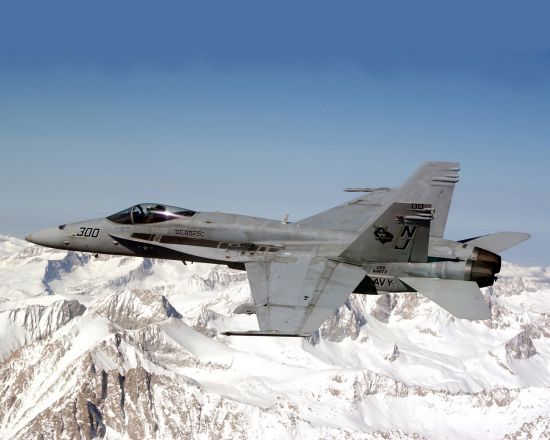 Boeing Submits Combat Aircraft Industrial-Participation Proposal to Indian Government
NEW DELHI, Aug. 04, 2008 -- The Boeing Company [NYSE: BA] today submitted a comprehensive Industrial Participation (IP) proposal to the government of India in support of the company's Medium Multi-Role Combat Aircraft (MMRCA) offer to the Indian air force of 126 F/A-18E/F Super Hornets. The proposal was submitted in response to the MMRCA Request for Proposals, which asked all competitors to provide an IP plan as part of their offering. Boeing's proposal firmly supports the Indian government's goal of a vibrant indigenous aerospace industry. It also foresees India playing a key role in enhancing Boeing's global competitiveness and growth through a series of strategic partnerships with Indian industries.
"The Boeing Company has been, and will continue to be, a true partner to India," said Chris Chadwick, president of Boeing Military Aircraft. "To that end, our IP proposal draws upon the company's vast pool of human talent, technical expertise and aerospace and defense resources, to both support India's defense modernization drive and to help spur growth of a world-class Indian aerospace industry."
To help meet the MMRCA IP requirements, Boeing assembled a formidable industrial lineup that includes the Super Hornet industry supplier team (16 leading aerospace and defense companies with combined revenues of over $454 billion), and Boeing's Indian IP partners (37 public- and private-sector Indian companies).
"We are already establishing the groundwork that will lead us to success in this large undertaking through early engagement of Indian industry, both public and private," said Vivek Lall, Boeing Integrated Defense Systems vice president and India country head.
The alliances began forming in earnest in November 2006, when Boeing hosted a conference in Bangalore at which 25 of its key suppliers were introduced to more than 25 India-based aerospace and engineering services companies.
"Boeing is proud of its record of successfully implementing IP programs in excess of $29 billion in more than 30 countries," said Ian Thomas, president of Boeing India. "These have brought long-term economic and industrial benefits to our customers around the world, and created jobs and growth opportunities for Boeing. And many of the companies that helped Boeing meet those IP obligations have evolved to become enduring partners in the global Boeing supply chain."
Earlier this year, Boeing reached an agreement to form a joint venture with Tata Industries Limited, part of the Tata Group, one of India's largest business conglomerates. In December 2007, Boeing signed a Memorandum of Understanding (MOU) with Hindustan Aeronautics Limited, which is adopting Boeing's Lean and best-management practices. Boeing has also signed an MOU with international engineering firm Larsen & Toubro for joint exploration of business opportunities in the Indian defense market.
Boeing Submits Combat Aircraft Industrial-Participation Proposal to Indian Government
NEW DELHI, Aug. 04, 2008 -- The Boeing Company [NYSE: BA] today submitted a comprehensive Industrial Participation (IP) proposal to the government of India in support of the company's Medium Multi-Role Combat Aircraft (MMRCA) offer to the Indian air force of 126 F/A-18E/F Super Hornets. The proposal was submitted in response to the MMRCA Request for Proposals, which asked all competitors to provide an IP plan as part of their offering. Boeing's proposal firmly supports the Indian government's goal of a vibrant indigenous aerospace industry. It also foresees India playing a key role in enhancing Boeing's global competitiveness and growth through a series of strategic partnerships with Indian industries.
"The Boeing Company has been, and will continue to be, a true partner to India," said Chris Chadwick, president of Boeing Military Aircraft. "To that end, our IP proposal draws upon the company's vast pool of human talent, technical expertise and aerospace and defense resources, to both support India's defense modernization drive and to help spur growth of a world-class Indian aerospace industry."
To help meet the MMRCA IP requirements, Boeing assembled a formidable industrial lineup that includes the Super Hornet industry supplier team (16 leading aerospace and defense companies with combined revenues of over $454 billion), and Boeing's Indian IP partners (37 public- and private-sector Indian companies).
"We are already establishing the groundwork that will lead us to success in this large undertaking through early engagement of Indian industry, both public and private," said Vivek Lall, Boeing Integrated Defense Systems vice president and India country head.
The alliances began forming in earnest in November 2006, when Boeing hosted a conference in Bangalore at which 25 of its key suppliers were introduced to more than 25 India-based aerospace and engineering services companies.
"Boeing is proud of its record of successfully implementing IP programs in excess of $29 billion in more than 30 countries," said Ian Thomas, president of Boeing India. "These have brought long-term economic and industrial benefits to our customers around the world, and created jobs and growth opportunities for Boeing. And many of the companies that helped Boeing meet those IP obligations have evolved to become enduring partners in the global Boeing supply chain."
Earlier this year, Boeing reached an agreement to form a joint venture with Tata Industries Limited, part of the Tata Group, one of India's largest business conglomerates. In December 2007, Boeing signed a Memorandum of Understanding (MOU) with Hindustan Aeronautics Limited, which is adopting Boeing's Lean and best-management practices. Boeing has also signed an MOU with international engineering firm Larsen & Toubro for joint exploration of business opportunities in the Indian defense market.
Korea F-15K Aircraft
 Northrop Grumman Receives Contract to Provide Electronic Combat Systems for Republic of Korea F-15K Aircraft
ROLLING MEADOWS, Ill., August 4 , 2008 (PRIME NEWSWIRE) -- Northrop Grumman Corporation (NYSE:NOC) has won a $74.6 million contract to provide 21 ALQ-135M electronic combat systems for the Republic of Korea Air Force F-15K.
"The selection of the ALQ-135M affirms Northrop Grumman's position as the supplier of electronic warfare solutions for the worldwide F-15 fleet," said Mark Kula, vice president of Northrop Grumman's Radio Frequency Combat and Information Systems business unit. "The ALQ-135M is key to maintaining the F-15's unparalleled air dominance record."
Northrop Grumman's AN/ALQ-135M is a fully automatic, internally-mounted electronic combat system that prioritizes, manages, and defeats multiple threats simultaneously. The latest configuration improves on heritage ALQ-135 systems by replacing multiple processors with a new PowerPC(tm)-based system that offers significant speed and memory enhancements. The ALQ-135M also makes use of sophisticated microwave power module (MPM) transmitter technology to reduce weight and boost performance. Deliveries will start in February 2010 and be completed by October 2011.
Northrop Grumman Receives Contract to Provide Electronic Combat Systems for Republic of Korea F-15K Aircraft
ROLLING MEADOWS, Ill., August 4 , 2008 (PRIME NEWSWIRE) -- Northrop Grumman Corporation (NYSE:NOC) has won a $74.6 million contract to provide 21 ALQ-135M electronic combat systems for the Republic of Korea Air Force F-15K.
"The selection of the ALQ-135M affirms Northrop Grumman's position as the supplier of electronic warfare solutions for the worldwide F-15 fleet," said Mark Kula, vice president of Northrop Grumman's Radio Frequency Combat and Information Systems business unit. "The ALQ-135M is key to maintaining the F-15's unparalleled air dominance record."
Northrop Grumman's AN/ALQ-135M is a fully automatic, internally-mounted electronic combat system that prioritizes, manages, and defeats multiple threats simultaneously. The latest configuration improves on heritage ALQ-135 systems by replacing multiple processors with a new PowerPC(tm)-based system that offers significant speed and memory enhancements. The ALQ-135M also makes use of sophisticated microwave power module (MPM) transmitter technology to reduce weight and boost performance. Deliveries will start in February 2010 and be completed by October 2011.
Taiwan: Mirage readiness rate higher than standard: MND
 Mirage readiness rate higher than standard: MND
ROC Central News Agency - Taipei, Aug. 4, 2008 (CNA) The readiness rate of Mirage jet fighters has consistently stood above the standard set by the Ministry of National Defense (MND), the military said Saturday.
The Military Spokesman's Office (MSO) issued the statement after a local evening paper reported earlier in the day that the Combined Logistics Command was negligent and slack in carrying out its Mirage spare parts procurement mission.
According to the United Evening News, the logistics command spent six months procuring just 41 of the more than 400 Mirage spare parts that the air force needed to meet it emergency demand. The shortage embodied the command's serious dereliction of duty.
In response, the MSO said in the statement that the average delivery period for overseas procurement ususally needs 22 to 24 months.
The statement further said the Combined Logistics Command has never been lax in fulfilling its duty. Noting that the command has categorized the air force's spare parts procurement into three classes -- principal, urgent and crucial importance, the statement said the command has often nudged foreign contractors or suppliers to deliver on Taiwan's orders on schedule.
With an above-standard availability rate, the statement added that the air force's Mirage fleet can effectively implement their mission of combat preparedness. Taiwan now has 57 French-made Mirage flighters. (By Sofia Wu) enditem
Mirage readiness rate higher than standard: MND
ROC Central News Agency - Taipei, Aug. 4, 2008 (CNA) The readiness rate of Mirage jet fighters has consistently stood above the standard set by the Ministry of National Defense (MND), the military said Saturday.
The Military Spokesman's Office (MSO) issued the statement after a local evening paper reported earlier in the day that the Combined Logistics Command was negligent and slack in carrying out its Mirage spare parts procurement mission.
According to the United Evening News, the logistics command spent six months procuring just 41 of the more than 400 Mirage spare parts that the air force needed to meet it emergency demand. The shortage embodied the command's serious dereliction of duty.
In response, the MSO said in the statement that the average delivery period for overseas procurement ususally needs 22 to 24 months.
The statement further said the Combined Logistics Command has never been lax in fulfilling its duty. Noting that the command has categorized the air force's spare parts procurement into three classes -- principal, urgent and crucial importance, the statement said the command has often nudged foreign contractors or suppliers to deliver on Taiwan's orders on schedule.
With an above-standard availability rate, the statement added that the air force's Mirage fleet can effectively implement their mission of combat preparedness. Taiwan now has 57 French-made Mirage flighters. (By Sofia Wu) enditem
Japan Warned of Radioactive Leak
 Japan Warned of Radioactive Leak
August 04, 2008-Associated Press: TOKYO - The U.S. Navy has warned that a nuclear submarine may have had radioactive leaks during recent port calls in Japan's south, the country's Foreign Ministry said Saturday.
Japan's Foreign Ministry said in a statement that it was informed by the U.S. Navy that a small amount of radiation might have leaked from the nuclear-powered USS Houston as it traveled around the Pacific.
The news could cause a stir in Japan, where both the U.S. military presence and its nuclear subs are controversial.
The Houston made calls in March and April in the southern Japanese naval ports of Sasebo and Okinawa.
The ministry said leaked radioactive cooling water was detected during routine maintenance on the Houston in Hawaii in June and it was believed to have posed no threat to humans or the environment.
Sasebo city official Akihiro Yoshida said the government monitoring during the submarine's port calls showed no abnormal increase of radioactivity in the area's waters.
"Still, we are rather concerned," Yoshida said.
The incident comes just weeks ahead of the arrival of the U.S. nuclear-powered aircraft carrier USS George Washington in Yokosuka, just south of Tokyo.
The ship's arrival was originally set for August under a Japan-U.S. security alliance, but is being delayed until late September because of a fire aboard the vessel in May. The George Washington is relieving the soon-to-be decommissioned USS Kitty Hawk and will be the first U.S. Navy nuclear powered vessel to station permanently in Japan.
The George Washington's deployment had already triggered protests and the fire escalated concerns that many Japanese have about nuclear power.
Masahiko Goto, a lawyer representing a citizens' group opposing the George Washington's deployment in Yokosuka, sharply criticized the U.S. Navy for withholding the problem for weeks.
"They had discovered the radiation leak weeks ago and did not inform the Japanese government immediately," he said in a statement. "The U.S. Navy's handling of the accident and lack of transparency showed there is no way we can trust them."
The Foreign Ministry said the U.S. Navy informed them of the leak Friday but waited a day to announce it because the amount was negligible, stirring a flurry of criticism.
Chief Cabinet Secretary Nobutaka Machimura called the delay "no good," and Defense Minister Yoshimasa Hayashi said "We'd have liked to hear from the Foreign Ministry earlier."
The delay also embarrassed Foreign Minister Masahiko Komura, who admitted learning about the leak through local media reports Saturday morning.
"We should have made the announcement sooner," he said.
In Honolulu, U.S. Pacific Fleet spokesman Capt. Scott Gureck said Friday the amount of radioactivity released into the environment from the USS Houston at each stop was less than one half a microcurie - a negligible amount equivalent to the radioactivity of a 50-pound bag of fertilizer.
The Navy discovered the leak July 17 when a gallon of water spilled on a shipyard worker's leg from a valve while the submarine was in dry dock for routine maintenance at Pearl Harbor.
An investigation showed water may have been slowly leaking from the valve since March as the Los Angeles-class submarine traveled around the Pacific. But the Japanese Foreign Ministry said it was not known how long the USS Houston had been leaking the cooling water.
The Houston is based at Apra Harbor in the U.S. territory of Guam in the Western Pacific. The submarine sat in Pearl Harbor for about three weeks before it was dry-docked in mid-July.
Japan Warned of Radioactive Leak
August 04, 2008-Associated Press: TOKYO - The U.S. Navy has warned that a nuclear submarine may have had radioactive leaks during recent port calls in Japan's south, the country's Foreign Ministry said Saturday.
Japan's Foreign Ministry said in a statement that it was informed by the U.S. Navy that a small amount of radiation might have leaked from the nuclear-powered USS Houston as it traveled around the Pacific.
The news could cause a stir in Japan, where both the U.S. military presence and its nuclear subs are controversial.
The Houston made calls in March and April in the southern Japanese naval ports of Sasebo and Okinawa.
The ministry said leaked radioactive cooling water was detected during routine maintenance on the Houston in Hawaii in June and it was believed to have posed no threat to humans or the environment.
Sasebo city official Akihiro Yoshida said the government monitoring during the submarine's port calls showed no abnormal increase of radioactivity in the area's waters.
"Still, we are rather concerned," Yoshida said.
The incident comes just weeks ahead of the arrival of the U.S. nuclear-powered aircraft carrier USS George Washington in Yokosuka, just south of Tokyo.
The ship's arrival was originally set for August under a Japan-U.S. security alliance, but is being delayed until late September because of a fire aboard the vessel in May. The George Washington is relieving the soon-to-be decommissioned USS Kitty Hawk and will be the first U.S. Navy nuclear powered vessel to station permanently in Japan.
The George Washington's deployment had already triggered protests and the fire escalated concerns that many Japanese have about nuclear power.
Masahiko Goto, a lawyer representing a citizens' group opposing the George Washington's deployment in Yokosuka, sharply criticized the U.S. Navy for withholding the problem for weeks.
"They had discovered the radiation leak weeks ago and did not inform the Japanese government immediately," he said in a statement. "The U.S. Navy's handling of the accident and lack of transparency showed there is no way we can trust them."
The Foreign Ministry said the U.S. Navy informed them of the leak Friday but waited a day to announce it because the amount was negligible, stirring a flurry of criticism.
Chief Cabinet Secretary Nobutaka Machimura called the delay "no good," and Defense Minister Yoshimasa Hayashi said "We'd have liked to hear from the Foreign Ministry earlier."
The delay also embarrassed Foreign Minister Masahiko Komura, who admitted learning about the leak through local media reports Saturday morning.
"We should have made the announcement sooner," he said.
In Honolulu, U.S. Pacific Fleet spokesman Capt. Scott Gureck said Friday the amount of radioactivity released into the environment from the USS Houston at each stop was less than one half a microcurie - a negligible amount equivalent to the radioactivity of a 50-pound bag of fertilizer.
The Navy discovered the leak July 17 when a gallon of water spilled on a shipyard worker's leg from a valve while the submarine was in dry dock for routine maintenance at Pearl Harbor.
An investigation showed water may have been slowly leaking from the valve since March as the Los Angeles-class submarine traveled around the Pacific. But the Japanese Foreign Ministry said it was not known how long the USS Houston had been leaking the cooling water.
The Houston is based at Apra Harbor in the U.S. territory of Guam in the Western Pacific. The submarine sat in Pearl Harbor for about three weeks before it was dry-docked in mid-July.
Subscribe to:
Posts (Atom)












