 MiG-29s Evergreen & More Better
(NSI News Source Info) September 17, 2008: Bulgaria is joining many other nations in upgrading sixteen of their MiG-29s, to improve capabilities, particularly to meet NATO standards. This will cost about three million dollars per aircraft, and extend their service life from the current 25 years, to 40 years.
The MiG-29 entered Russian service in 1983. Some 1,600 MiG-29s have been produced so far, with about 900 of them exported. Bulgaria received its first MiG-29s in 1989, with deliveries continuing into the 1990s. The 22 ton aircraft is roughly comparable to the F-16, but it depends a lot on which version of either aircraft you are talking about.
Russia is making a lot of money upgrading MiG-29s, and handled the Bulgarian work. Upgrades not only add new electronics, but also make the airframe more robust. The MiG-29 was originally rated at 2,500 total flight hours. At that time (early 80s), Russia expected MiG-29s to fly about a hundred or so hours a year. NATO standards require them to be flown at over twice that rate, and now Russia is offering to spiff up the airframe so that the aircraft can fly up to 4,000 hours, with more life extensions upgrades promised. This won't be easy, as the MiG-29 has a history of unreliability and premature breakdowns (both mechanical and electronic). Compared to Western aircraft, like the F-16, the MiG-29 is available for action about two thirds as much. While extending the life of the MiG-29 into the 2030s is theoretically possible, actually doing so will be real breakthrough in Russian aircraft capabilities. The MiG-29 upgrade program is taking several years to complete.
MiG-29s Evergreen & More Better
(NSI News Source Info) September 17, 2008: Bulgaria is joining many other nations in upgrading sixteen of their MiG-29s, to improve capabilities, particularly to meet NATO standards. This will cost about three million dollars per aircraft, and extend their service life from the current 25 years, to 40 years.
The MiG-29 entered Russian service in 1983. Some 1,600 MiG-29s have been produced so far, with about 900 of them exported. Bulgaria received its first MiG-29s in 1989, with deliveries continuing into the 1990s. The 22 ton aircraft is roughly comparable to the F-16, but it depends a lot on which version of either aircraft you are talking about.
Russia is making a lot of money upgrading MiG-29s, and handled the Bulgarian work. Upgrades not only add new electronics, but also make the airframe more robust. The MiG-29 was originally rated at 2,500 total flight hours. At that time (early 80s), Russia expected MiG-29s to fly about a hundred or so hours a year. NATO standards require them to be flown at over twice that rate, and now Russia is offering to spiff up the airframe so that the aircraft can fly up to 4,000 hours, with more life extensions upgrades promised. This won't be easy, as the MiG-29 has a history of unreliability and premature breakdowns (both mechanical and electronic). Compared to Western aircraft, like the F-16, the MiG-29 is available for action about two thirds as much. While extending the life of the MiG-29 into the 2030s is theoretically possible, actually doing so will be real breakthrough in Russian aircraft capabilities. The MiG-29 upgrade program is taking several years to complete.
Tuesday, September 16, 2008
MiG-29s Evergreen & More Better
MiG-29s Evergreen & More Better
(NSI News Source Info) September 17, 2008: Bulgaria is joining many other nations in upgrading sixteen of their MiG-29s, to improve capabilities, particularly to meet NATO standards. This will cost about three million dollars per aircraft, and extend their service life from the current 25 years, to 40 years.
The MiG-29 entered Russian service in 1983. Some 1,600 MiG-29s have been produced so far, with about 900 of them exported. Bulgaria received its first MiG-29s in 1989, with deliveries continuing into the 1990s. The 22 ton aircraft is roughly comparable to the F-16, but it depends a lot on which version of either aircraft you are talking about.
Russia is making a lot of money upgrading MiG-29s, and handled the Bulgarian work. Upgrades not only add new electronics, but also make the airframe more robust. The MiG-29 was originally rated at 2,500 total flight hours. At that time (early 80s), Russia expected MiG-29s to fly about a hundred or so hours a year. NATO standards require them to be flown at over twice that rate, and now Russia is offering to spiff up the airframe so that the aircraft can fly up to 4,000 hours, with more life extensions upgrades promised. This won't be easy, as the MiG-29 has a history of unreliability and premature breakdowns (both mechanical and electronic). Compared to Western aircraft, like the F-16, the MiG-29 is available for action about two thirds as much. While extending the life of the MiG-29 into the 2030s is theoretically possible, actually doing so will be real breakthrough in Russian aircraft capabilities. The MiG-29 upgrade program is taking several years to complete.

US says funds for F-16s to Pakistan is tough sell
 US says funds for F-16s to Pakistan is tough sell
(NSI News Source Info) WASHINGTON - September 17, 2008: The Bush administration expects an uphill battle with Congress for permission to use counterterrorism funds to upgrade Pakistan's F-16 fighters, the State Department's top diplomat for South Asia said on Monday.But even if lawmakers balk, the State Department believes it has the authority to shift counterterrorism aid to the fighter program."For the moment, we're not taking a legalistic approach to this. We're trying to work it out with the Congress," Richard Boucher, assistant secretary for South and Central Asian Affairs, said in an interview with Reuters. Lawmakers plan to hold a hearing on Tuesday to grill administration officials on the F-16 program with Pakistan and its use in counterterrorism operations against al Qaeda and Taliban extremists in the border areas with Afghanistan.Analysts say the F-16, built by Lockheed Martin Corp, and other big-ticket military items have in the past been viewed by Islamabad as weapons to help Pakistan counter its rival, India.In July, two senior Democratic lawmakers asked the administration not to use the $226.5 million to refurbish the F-16s. They said they feared the plan diverted cash from more urgent counterterrorism equipment like helicopters and night-vision goggles.But Boucher said the F-16s also had been used for counterterrorism missions in hundreds of sorties targeting militants in the tribal areas in recent months.The F-16 upgrade was badly needed, he said, and would give Pakistan with a more effective counter-terrorism tool, enabling forces to work at night and improve precision-strike capability.He also said the money would come from areas, such as maritime patrol programs, that were not as urgently needed as the fighter upgrades."I think it's an uphill climb but we don't shy away from uphill climbs," Boucher said of the State Department's effort to convince Congress to allow it to shift the funds to the Pakistani F-16 program.
US says funds for F-16s to Pakistan is tough sell
(NSI News Source Info) WASHINGTON - September 17, 2008: The Bush administration expects an uphill battle with Congress for permission to use counterterrorism funds to upgrade Pakistan's F-16 fighters, the State Department's top diplomat for South Asia said on Monday.But even if lawmakers balk, the State Department believes it has the authority to shift counterterrorism aid to the fighter program."For the moment, we're not taking a legalistic approach to this. We're trying to work it out with the Congress," Richard Boucher, assistant secretary for South and Central Asian Affairs, said in an interview with Reuters. Lawmakers plan to hold a hearing on Tuesday to grill administration officials on the F-16 program with Pakistan and its use in counterterrorism operations against al Qaeda and Taliban extremists in the border areas with Afghanistan.Analysts say the F-16, built by Lockheed Martin Corp, and other big-ticket military items have in the past been viewed by Islamabad as weapons to help Pakistan counter its rival, India.In July, two senior Democratic lawmakers asked the administration not to use the $226.5 million to refurbish the F-16s. They said they feared the plan diverted cash from more urgent counterterrorism equipment like helicopters and night-vision goggles.But Boucher said the F-16s also had been used for counterterrorism missions in hundreds of sorties targeting militants in the tribal areas in recent months.The F-16 upgrade was badly needed, he said, and would give Pakistan with a more effective counter-terrorism tool, enabling forces to work at night and improve precision-strike capability.He also said the money would come from areas, such as maritime patrol programs, that were not as urgently needed as the fighter upgrades."I think it's an uphill climb but we don't shy away from uphill climbs," Boucher said of the State Department's effort to convince Congress to allow it to shift the funds to the Pakistani F-16 program.
Kazakhstan proposes international uranium exchange
 Kazakhstan proposes international uranium exchange
(NSI News Source Info) ASTANA - September 17, 2008: Kazakhstan is proposing the creation of what amounts to an international uranium market, the president of the country's national uranium producer said on Tuesday.
The central Asian state has the world's second largest proven uranium reserves after Australia.
"The uranium market is a closed market, and we do not have market prices. To address this problem we are currently working to set up a [uranium] fund," said Mukhtar Dzhakiyev, president of the Kazatomprom company.
He said it would comprise key uranium producers and consumers, as well as the financial institutions behind the project.
"The plan is to deposit uranium in the fund and receive shares in exchange for that," he said, adding that all the companies would be entitled to one kilogram of uranium each.
The next stage will be to create a uranium trading floor where share quotes will serve as "uranium market prices."
Dzhakiyev said preliminary agreements had already been reached with the French-German firm Areva, Canada's Cameco Corporation, and Russian uranium producers, as well as with a number of Chinese, Japanese, EU, and U.S. nuclear power plants.
He said if everything goes according to plan, the "fund" could be established next year.
He said earlier Kazakhstan was planning to increase uranium production in 2008 by 42% to 9,400 tons. In 2007, the country produced 6,600 tons of uranium. By 2015, Kazakhstan expects to produce one-third of the world's uranium output.
Kazakhstan proposes international uranium exchange
(NSI News Source Info) ASTANA - September 17, 2008: Kazakhstan is proposing the creation of what amounts to an international uranium market, the president of the country's national uranium producer said on Tuesday.
The central Asian state has the world's second largest proven uranium reserves after Australia.
"The uranium market is a closed market, and we do not have market prices. To address this problem we are currently working to set up a [uranium] fund," said Mukhtar Dzhakiyev, president of the Kazatomprom company.
He said it would comprise key uranium producers and consumers, as well as the financial institutions behind the project.
"The plan is to deposit uranium in the fund and receive shares in exchange for that," he said, adding that all the companies would be entitled to one kilogram of uranium each.
The next stage will be to create a uranium trading floor where share quotes will serve as "uranium market prices."
Dzhakiyev said preliminary agreements had already been reached with the French-German firm Areva, Canada's Cameco Corporation, and Russian uranium producers, as well as with a number of Chinese, Japanese, EU, and U.S. nuclear power plants.
He said if everything goes according to plan, the "fund" could be established next year.
He said earlier Kazakhstan was planning to increase uranium production in 2008 by 42% to 9,400 tons. In 2007, the country produced 6,600 tons of uranium. By 2015, Kazakhstan expects to produce one-third of the world's uranium output.
U.S. intelligence gathering ship enters Sevastopol harbor
 U.S. intelligence gathering ship enters Sevastopol harbor
(NSI News Source Info) SEVASTOPOL - September 17, 2008: The U.S. Pathfinder ship entered on Tuesday the Sevastopol harbor that is home to the Ukrainian navy and Russia's Black Sea Fleet, a Russian naval source said.
"This is the second planned visit of Pathfinder at the invitation of Ukraine in the past 10 days," the source said.
USNS Pathfinder (T-AGS 60) is an oceanographic survey ship owned by the Military Sealift Command and has a civilian crew and scientists on board.
According to official statements, Pathfinder is searching for a ship which sank in the harbor during World War II.
The Soviet hospital ship Armenia was sunk on November 7, 1941 by German torpedo-carrying He 111 planes while the ship was evacuating refugees and wounded military and staff from Crimean hospitals. It is estimated that approximately 7,000 people died in the attack.
However, Russian intelligence believes that ships of the Pathfinder class could be used for reconnaissance and intelligence gathering purposes.
"We have reliable information confirming that the [Pathfinder] ship has arrived in the Black Sea primarily to conduct intelligence gathering operations in support of the NATO naval task group currently deployed in the area," the source said.
Russian intelligence experts suspect that the ship may be carrying surveillance equipment that could survey the depths and the condition of the sea shelf and monitor the movement of submerged submarines at a distance of up to 100 km (over 60 miles).
Russia is seriously concerned over the increased presence of NATO naval forces near its main naval base in the Black Sea, which hosts at least 50 warships and smaller vessels, along with 80 aircraft.
The base has been a source of friction between Russia and Ukraine in recent years, as Ukraine's pro-Western President Viktor Yushchenko has sought NATO and EU membership for the country and demanded that the Black Sea Fleet must leave the base after a bilateral lease agreement expires in 2017.
NATO sent at least five warships, including guided missile frigates, into the Black Sea after Russia completed its operation "to force Georgia to peace" on August 12.
The operation came as a response to Georgia's attack on South Ossetia on August 8.
Western nations criticized Russia's counterattack as excessive and also condemned Moscow's August 26 recognition of South Ossetia and Abkhazia as independent states. Russia and NATO froze cooperation over the Georgia crisis.
Russia has blamed Western powers for encouraging Tbilisi's aggression and criticized the alliance for building up forces in the Black Sea and helping Georgia to re-arm in the conflict zone.
NATO announced on September 10 that its naval task force in the Black Sea, which consisted of Spanish, German, U.S. and Polish frigates, was leaving the region in accordance with international agreements.
U.S. intelligence gathering ship enters Sevastopol harbor
(NSI News Source Info) SEVASTOPOL - September 17, 2008: The U.S. Pathfinder ship entered on Tuesday the Sevastopol harbor that is home to the Ukrainian navy and Russia's Black Sea Fleet, a Russian naval source said.
"This is the second planned visit of Pathfinder at the invitation of Ukraine in the past 10 days," the source said.
USNS Pathfinder (T-AGS 60) is an oceanographic survey ship owned by the Military Sealift Command and has a civilian crew and scientists on board.
According to official statements, Pathfinder is searching for a ship which sank in the harbor during World War II.
The Soviet hospital ship Armenia was sunk on November 7, 1941 by German torpedo-carrying He 111 planes while the ship was evacuating refugees and wounded military and staff from Crimean hospitals. It is estimated that approximately 7,000 people died in the attack.
However, Russian intelligence believes that ships of the Pathfinder class could be used for reconnaissance and intelligence gathering purposes.
"We have reliable information confirming that the [Pathfinder] ship has arrived in the Black Sea primarily to conduct intelligence gathering operations in support of the NATO naval task group currently deployed in the area," the source said.
Russian intelligence experts suspect that the ship may be carrying surveillance equipment that could survey the depths and the condition of the sea shelf and monitor the movement of submerged submarines at a distance of up to 100 km (over 60 miles).
Russia is seriously concerned over the increased presence of NATO naval forces near its main naval base in the Black Sea, which hosts at least 50 warships and smaller vessels, along with 80 aircraft.
The base has been a source of friction between Russia and Ukraine in recent years, as Ukraine's pro-Western President Viktor Yushchenko has sought NATO and EU membership for the country and demanded that the Black Sea Fleet must leave the base after a bilateral lease agreement expires in 2017.
NATO sent at least five warships, including guided missile frigates, into the Black Sea after Russia completed its operation "to force Georgia to peace" on August 12.
The operation came as a response to Georgia's attack on South Ossetia on August 8.
Western nations criticized Russia's counterattack as excessive and also condemned Moscow's August 26 recognition of South Ossetia and Abkhazia as independent states. Russia and NATO froze cooperation over the Georgia crisis.
Russia has blamed Western powers for encouraging Tbilisi's aggression and criticized the alliance for building up forces in the Black Sea and helping Georgia to re-arm in the conflict zone.
NATO announced on September 10 that its naval task force in the Black Sea, which consisted of Spanish, German, U.S. and Polish frigates, was leaving the region in accordance with international agreements.
Russian bombers conduct patrols along South American coast
 Russian bombers conduct patrols along South American coast
(NSI News Source Info) MOSCOW - September 17, 2008: The two Russian Tu-160 Blackjack strategic bombers that landed in Venezuela last week have successfully carried out a patrol mission along the South American coast, a Russian Air Force spokesman said on Tuesday.
"The aircraft took off from the Libertador airbase in Venezuela on Monday and flew along the South American coast toward Brazil," Lt. Col. Vladimir Drik said.
The bombers landed back at the Latin American base after a six-hour flight.
"The flight was performed in strict accordance with international rules on the use of airspace over neutral waters, without violating the borders of other states," the spokesman said.
The Tu-160 Blackjack is a supersonic, variable-geometry heavy bomber, designed to strike strategic targets with nuclear and conventional weapons deep in continental theaters of operation.
According to the spokesman, the bombers are carrying dummy missiles without warheads and their primary mission is to practice patrol sorties in a tropical climate.
Drik earlier said that following the training mission, the Tu-160 crews would meet with Venezuelan President Hugo Chavez. The bombers are set to leave Venezuela on Thursday and head back to their base in southern Russia.
"The aircraft will take off from an airfield near Caracas on September 18 and conduct a 15-hour return flight to Russia. Their landing at a base in Engels [Saratov Region] is scheduled for September 19," Drik said.
Russia resumed strategic bomber patrol flights over the Pacific, Atlantic and Arctic oceans last August, following an order signed by then-President Vladimir Putin. Russian bombers have since carried out more than 90 strategic patrol flights and have often been escorted by NATO planes.
U.S. Secretary of State Condoleezza Rice said in mid-August that the Bush administration was unhappy with flights by Russian strategic bombers near U.S. borders and accused Moscow of playing a "dangerous game."
Russian bombers conduct patrols along South American coast
(NSI News Source Info) MOSCOW - September 17, 2008: The two Russian Tu-160 Blackjack strategic bombers that landed in Venezuela last week have successfully carried out a patrol mission along the South American coast, a Russian Air Force spokesman said on Tuesday.
"The aircraft took off from the Libertador airbase in Venezuela on Monday and flew along the South American coast toward Brazil," Lt. Col. Vladimir Drik said.
The bombers landed back at the Latin American base after a six-hour flight.
"The flight was performed in strict accordance with international rules on the use of airspace over neutral waters, without violating the borders of other states," the spokesman said.
The Tu-160 Blackjack is a supersonic, variable-geometry heavy bomber, designed to strike strategic targets with nuclear and conventional weapons deep in continental theaters of operation.
According to the spokesman, the bombers are carrying dummy missiles without warheads and their primary mission is to practice patrol sorties in a tropical climate.
Drik earlier said that following the training mission, the Tu-160 crews would meet with Venezuelan President Hugo Chavez. The bombers are set to leave Venezuela on Thursday and head back to their base in southern Russia.
"The aircraft will take off from an airfield near Caracas on September 18 and conduct a 15-hour return flight to Russia. Their landing at a base in Engels [Saratov Region] is scheduled for September 19," Drik said.
Russia resumed strategic bomber patrol flights over the Pacific, Atlantic and Arctic oceans last August, following an order signed by then-President Vladimir Putin. Russian bombers have since carried out more than 90 strategic patrol flights and have often been escorted by NATO planes.
U.S. Secretary of State Condoleezza Rice said in mid-August that the Bush administration was unhappy with flights by Russian strategic bombers near U.S. borders and accused Moscow of playing a "dangerous game."
Pakistan Air Force begins air patrols over North Waziristan news
 Pakistan Air Force begins air patrols over North Waziristan news
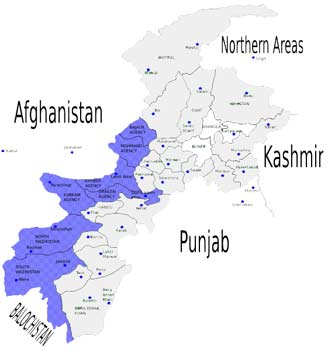
(NSI News Source Info) Miramshah - September 17, 2008: Local tribals in Pakistan's North Waziristan frontier region are reported to be expressing relief at the sight of Pakistan Air Force (PAF) F-16s operating air patrols in areas on the border with Afghanistan. The PAF action comes after stern warnings issued by civil and military Pakistani leaders against what they have dubbed unilateral cross-border actions by the US-led coalition forces including airspace violations by drones and ground incursions by coalition forces into tribal areas.
In the latest such attack at least 12 people were killed in North Waziristan in a suspected US missile attack, the second such strike in three days in the same region.
Reports emanating from the region say that a US drone was spotted in the skies above North Waziristan earlier during the day, but it disappeared as soon as Pakistani fighters appeared. The jets, spotted in the skies for the first time after a series of US attacks in the tribal belt, flew over the region for an hour.
Tribesmen in t region welcomed the ''timely reaction'' by chief of the army staff, General Ashfaq Parvez Kayani, to the US action.
With incidences of cross-border raids by Afghanistan-based coalition forces on the rise, a concerned civilian government in Islamabad has issued warnings, in tandem with the Pakistani military establishment. As of now, Pakistani premier Syed Yousuf Raza Gilani has said Pakistan will pursue the diplomatic path to convince the US to stop attacks in Pakistani areas. For a brief duration of time, some ten days back, the government had suspended the supply route for coalition forces that runs through Pakistan.
Backing up the air patrol over the Waziristan region, Pakistan air chief, air marshal Tanvir Mehmood also said that the air force can respond to violation of air space by the US-led coalition forces if the government issues orders.
Also chiming in was army spokesman Major General Athar Abass who said that the army has been authorised to react in case of violation by coalition forces.
Meanwhile, reports from the region said that locals felt reassured by the PAF patrol. ''The presence of Pakistani fighter planes gave a sense of security to the people,'' one man was quoted as saying.
US-led forces recently carried out a ground assault in Angoor Adda, near the Afghan border, killing over 50 people. ''The people are very happy over action by Pakistani aircraft in view of the frequent air violations by US spy planes,'' the tribesman said.
Pakistan Air Force begins air patrols over North Waziristan news
(NSI News Source Info) Miramshah - September 17, 2008: Local tribals in Pakistan's North Waziristan frontier region are reported to be expressing relief at the sight of Pakistan Air Force (PAF) F-16s operating air patrols in areas on the border with Afghanistan. The PAF action comes after stern warnings issued by civil and military Pakistani leaders against what they have dubbed unilateral cross-border actions by the US-led coalition forces including airspace violations by drones and ground incursions by coalition forces into tribal areas.
In the latest such attack at least 12 people were killed in North Waziristan in a suspected US missile attack, the second such strike in three days in the same region.
Reports emanating from the region say that a US drone was spotted in the skies above North Waziristan earlier during the day, but it disappeared as soon as Pakistani fighters appeared. The jets, spotted in the skies for the first time after a series of US attacks in the tribal belt, flew over the region for an hour.
Tribesmen in t region welcomed the ''timely reaction'' by chief of the army staff, General Ashfaq Parvez Kayani, to the US action.
With incidences of cross-border raids by Afghanistan-based coalition forces on the rise, a concerned civilian government in Islamabad has issued warnings, in tandem with the Pakistani military establishment. As of now, Pakistani premier Syed Yousuf Raza Gilani has said Pakistan will pursue the diplomatic path to convince the US to stop attacks in Pakistani areas. For a brief duration of time, some ten days back, the government had suspended the supply route for coalition forces that runs through Pakistan.
Backing up the air patrol over the Waziristan region, Pakistan air chief, air marshal Tanvir Mehmood also said that the air force can respond to violation of air space by the US-led coalition forces if the government issues orders.
Also chiming in was army spokesman Major General Athar Abass who said that the army has been authorised to react in case of violation by coalition forces.
Meanwhile, reports from the region said that locals felt reassured by the PAF patrol. ''The presence of Pakistani fighter planes gave a sense of security to the people,'' one man was quoted as saying.
US-led forces recently carried out a ground assault in Angoor Adda, near the Afghan border, killing over 50 people. ''The people are very happy over action by Pakistani aircraft in view of the frequent air violations by US spy planes,'' the tribesman said.
France hopes to sign India's first nuclear trade deal news
 France hopes to sign India's first nuclear trade deal news
(NSI News Source Info) Mumbai - September 17, 2008: France will soon enter into a bilateral agreement on nuclear trade with India following the Nuclear Suppliers Group's waiver for conducting nuclear commerce with this country.
The NSG waiver ''opens the way for signing of the bilateral agreement, which was finalised during the visit of President Sarkozy in January,'' French minister of state for external trade Anne Marie Idrac said after an Indo-French Joint Committee meeting in New Delhi.
She said France wants to be a key partner for India in the area of nuclear energy and hopes to be the first country to conduct nuclear business with India once both countries sign the previously agreed text for bilateral civil nuclear cooperation, probably by the end of the month, during Indian prime minister Manmohan Singh's visit to Paris.
With both New Delhi and Paris signing a bilateral treaty, they won't have to wait for the ratification of the civilian nuclear agreement between India and the United States, which is now before the US Congress.
Even if the US Congress doesn't pass the deal, India and France will conduct nuclear trade.
It is also likely that Russia, which is setting up four nuclear power plants in the country, may also soon sign a bilateral treaty with India on nuclear trade.
Russian ambassador to India, Vyacheslav Trubnikov, had stated that an Indo-Russian agreement to buy reactors and fuel will be signed during the visit of President Dimitry Medvedev to New Delhi in December.
India, which is looking to buy uranium from Nuclear Suppliers Group (NSG) nations post NSG deal, has been ruffled by US President George W. Bush's communication to the US Congress suggesting that Washington had made no legally binding commitments on the supply of nuclear fuel to New Delhi.
India plans to raise these issues before the two countries finally sign the deal.
President Bush, meanwhile, has invited prime minster Manmohan Singh to Washington on 25 September when both sides hope to sign the deal. But signing of the agreement will depend on US congress ratifying it by then.
Commerce and industry minister Kamal Nath who also attended the Indo-French Joint Committee meeting, said that with the NSG waiver, there are opportunities for nuclear trade with any country within the parameters of the nuclear cartel.
He said while it was premature to comment on opening up of the nuclear energy for the private and foreign firms, ''India would be looking for best opportunities in any case," Nath said.
India: Pune is major base for Su-30MKI fighters - to absorb third HAL-constructed squadron
India: Pune is major base for Su-30MKI fighters - to absorb third HAL-constructed squadron
(NSI News Source Info) September 17, 2008: Lohegaon, Pune: Air officer commanding-in-chief of south-western air command (SWAC), Air Marshal KD Singh has said that the Pune-located Lohegaon Air Force Station is set to become one of the most powerful airbases in the western region after a new Su-30MKI squadron is inducted here by December 2009.
Currently, the Lohegaon Air Force Station hosts two squadrons of the Su-30MKI, the 'Lightnings' and the 'Rhinos'. The third squadron of the Su-30MKIs will roll out from the Hindustan Aeronautics Ltd factory at Nasik.
 According to air force officers, a lot of investment has been made to develop Pune as a base for the Sukhois, which is essential for the upkeep and maintenance of these high-tech aircraft.
A Jaguar squadron located here has recently shifted to Jamnagar airbase in Gujarat for strategic reasons.
Meanwhile, the Indian Air Force team comprising of eight Sukhoi-30MKI aircraft and their pilots and other elements, participants in the prestigious USAF 'Red Flag' exercises held at the Nellis Air Force Base in Nevada returned from their strenuous tour on Saturday afternoon. The IAF team comprised eight Sukhoi-30MKI fighters, two IL-78 mid-air refuellers, one IL-76 heavy-lift aircraft and about 250 other staff, including 90 officers.
The team pitted its skills against American F-15s and F-16s, as well as French Rafale and South Korean F-15K fighter jets.
On their way back home the team also stopped over at Abu Dhabi and conducted exercises with the UAE air force.
Also welcoming the air warriors home was NDA Commandant, Air Marshal TS Randhawa, who is the Commodore Commandant of the no 20 squadron (Lightnings).
Group leader Wing Commander George Thomas said, "It was a great training opportunity for IAF to integrate our assets in an adverse environment thousands of miles away along with a country (USA) which is technologically quite advanced."
"Each mission was done to perfection. The main thrust of the exercise was on training. The threat environment was tailored to what your needs are - air, ground, space and water," he said. It was one of the rare occasions in the 33-year-old history of the 'Red Flag' exercise that an invitation was extended to a non-NATO nation, and the first time that the IAF participated.
Responding to the USAF offer that the IAF be a regular participant in the exercise, Air Marshal Singh said: "We would like to have more such exercises. But it's a decision taken at the government level."
Giving details about the exercise, Wg Cmdr Thomas said, "During this phase, a present-day air campaign was replicated, in which opposition forces or the 'Aggressors' F-16 and F-15s, were threats to the Blue Land (IAF) and its forces.
"The tasks are carried out by 'Strike Packages' comprising Su-30s flying along with the US Air Force, French Air Force and Korean Air Force. "The main challenge during the exercise for the team IAF was to adapt to the USAF network and also carry out 'Stand Alone' tasks simultaneously. Our young IAF pilots (average age: late 20s) have done this with amazing dexterity," he said.
The exercise was preceded by two weeks of work-up training at the Mountain Home Air Force Base of the US. The IAF flew over 200 sorties with the USAF. On its return, the contingent also made a week-long stopover at Al Dafra, United Arab Emirates (UAE) and participated in an air exerice with Mirage 2000-9 and F-16 aircraft of the UAE Air Force and Air Defence.
According to air force officers, a lot of investment has been made to develop Pune as a base for the Sukhois, which is essential for the upkeep and maintenance of these high-tech aircraft.
A Jaguar squadron located here has recently shifted to Jamnagar airbase in Gujarat for strategic reasons.
Meanwhile, the Indian Air Force team comprising of eight Sukhoi-30MKI aircraft and their pilots and other elements, participants in the prestigious USAF 'Red Flag' exercises held at the Nellis Air Force Base in Nevada returned from their strenuous tour on Saturday afternoon. The IAF team comprised eight Sukhoi-30MKI fighters, two IL-78 mid-air refuellers, one IL-76 heavy-lift aircraft and about 250 other staff, including 90 officers.
The team pitted its skills against American F-15s and F-16s, as well as French Rafale and South Korean F-15K fighter jets.
On their way back home the team also stopped over at Abu Dhabi and conducted exercises with the UAE air force.
Also welcoming the air warriors home was NDA Commandant, Air Marshal TS Randhawa, who is the Commodore Commandant of the no 20 squadron (Lightnings).
Group leader Wing Commander George Thomas said, "It was a great training opportunity for IAF to integrate our assets in an adverse environment thousands of miles away along with a country (USA) which is technologically quite advanced."
"Each mission was done to perfection. The main thrust of the exercise was on training. The threat environment was tailored to what your needs are - air, ground, space and water," he said. It was one of the rare occasions in the 33-year-old history of the 'Red Flag' exercise that an invitation was extended to a non-NATO nation, and the first time that the IAF participated.
Responding to the USAF offer that the IAF be a regular participant in the exercise, Air Marshal Singh said: "We would like to have more such exercises. But it's a decision taken at the government level."
Giving details about the exercise, Wg Cmdr Thomas said, "During this phase, a present-day air campaign was replicated, in which opposition forces or the 'Aggressors' F-16 and F-15s, were threats to the Blue Land (IAF) and its forces.
"The tasks are carried out by 'Strike Packages' comprising Su-30s flying along with the US Air Force, French Air Force and Korean Air Force. "The main challenge during the exercise for the team IAF was to adapt to the USAF network and also carry out 'Stand Alone' tasks simultaneously. Our young IAF pilots (average age: late 20s) have done this with amazing dexterity," he said.
The exercise was preceded by two weeks of work-up training at the Mountain Home Air Force Base of the US. The IAF flew over 200 sorties with the USAF. On its return, the contingent also made a week-long stopover at Al Dafra, United Arab Emirates (UAE) and participated in an air exerice with Mirage 2000-9 and F-16 aircraft of the UAE Air Force and Air Defence.
 According to air force officers, a lot of investment has been made to develop Pune as a base for the Sukhois, which is essential for the upkeep and maintenance of these high-tech aircraft.
A Jaguar squadron located here has recently shifted to Jamnagar airbase in Gujarat for strategic reasons.
Meanwhile, the Indian Air Force team comprising of eight Sukhoi-30MKI aircraft and their pilots and other elements, participants in the prestigious USAF 'Red Flag' exercises held at the Nellis Air Force Base in Nevada returned from their strenuous tour on Saturday afternoon. The IAF team comprised eight Sukhoi-30MKI fighters, two IL-78 mid-air refuellers, one IL-76 heavy-lift aircraft and about 250 other staff, including 90 officers.
The team pitted its skills against American F-15s and F-16s, as well as French Rafale and South Korean F-15K fighter jets.
On their way back home the team also stopped over at Abu Dhabi and conducted exercises with the UAE air force.
Also welcoming the air warriors home was NDA Commandant, Air Marshal TS Randhawa, who is the Commodore Commandant of the no 20 squadron (Lightnings).
Group leader Wing Commander George Thomas said, "It was a great training opportunity for IAF to integrate our assets in an adverse environment thousands of miles away along with a country (USA) which is technologically quite advanced."
"Each mission was done to perfection. The main thrust of the exercise was on training. The threat environment was tailored to what your needs are - air, ground, space and water," he said. It was one of the rare occasions in the 33-year-old history of the 'Red Flag' exercise that an invitation was extended to a non-NATO nation, and the first time that the IAF participated.
Responding to the USAF offer that the IAF be a regular participant in the exercise, Air Marshal Singh said: "We would like to have more such exercises. But it's a decision taken at the government level."
Giving details about the exercise, Wg Cmdr Thomas said, "During this phase, a present-day air campaign was replicated, in which opposition forces or the 'Aggressors' F-16 and F-15s, were threats to the Blue Land (IAF) and its forces.
"The tasks are carried out by 'Strike Packages' comprising Su-30s flying along with the US Air Force, French Air Force and Korean Air Force. "The main challenge during the exercise for the team IAF was to adapt to the USAF network and also carry out 'Stand Alone' tasks simultaneously. Our young IAF pilots (average age: late 20s) have done this with amazing dexterity," he said.
The exercise was preceded by two weeks of work-up training at the Mountain Home Air Force Base of the US. The IAF flew over 200 sorties with the USAF. On its return, the contingent also made a week-long stopover at Al Dafra, United Arab Emirates (UAE) and participated in an air exerice with Mirage 2000-9 and F-16 aircraft of the UAE Air Force and Air Defence.
According to air force officers, a lot of investment has been made to develop Pune as a base for the Sukhois, which is essential for the upkeep and maintenance of these high-tech aircraft.
A Jaguar squadron located here has recently shifted to Jamnagar airbase in Gujarat for strategic reasons.
Meanwhile, the Indian Air Force team comprising of eight Sukhoi-30MKI aircraft and their pilots and other elements, participants in the prestigious USAF 'Red Flag' exercises held at the Nellis Air Force Base in Nevada returned from their strenuous tour on Saturday afternoon. The IAF team comprised eight Sukhoi-30MKI fighters, two IL-78 mid-air refuellers, one IL-76 heavy-lift aircraft and about 250 other staff, including 90 officers.
The team pitted its skills against American F-15s and F-16s, as well as French Rafale and South Korean F-15K fighter jets.
On their way back home the team also stopped over at Abu Dhabi and conducted exercises with the UAE air force.
Also welcoming the air warriors home was NDA Commandant, Air Marshal TS Randhawa, who is the Commodore Commandant of the no 20 squadron (Lightnings).
Group leader Wing Commander George Thomas said, "It was a great training opportunity for IAF to integrate our assets in an adverse environment thousands of miles away along with a country (USA) which is technologically quite advanced."
"Each mission was done to perfection. The main thrust of the exercise was on training. The threat environment was tailored to what your needs are - air, ground, space and water," he said. It was one of the rare occasions in the 33-year-old history of the 'Red Flag' exercise that an invitation was extended to a non-NATO nation, and the first time that the IAF participated.
Responding to the USAF offer that the IAF be a regular participant in the exercise, Air Marshal Singh said: "We would like to have more such exercises. But it's a decision taken at the government level."
Giving details about the exercise, Wg Cmdr Thomas said, "During this phase, a present-day air campaign was replicated, in which opposition forces or the 'Aggressors' F-16 and F-15s, were threats to the Blue Land (IAF) and its forces.
"The tasks are carried out by 'Strike Packages' comprising Su-30s flying along with the US Air Force, French Air Force and Korean Air Force. "The main challenge during the exercise for the team IAF was to adapt to the USAF network and also carry out 'Stand Alone' tasks simultaneously. Our young IAF pilots (average age: late 20s) have done this with amazing dexterity," he said.
The exercise was preceded by two weeks of work-up training at the Mountain Home Air Force Base of the US. The IAF flew over 200 sorties with the USAF. On its return, the contingent also made a week-long stopover at Al Dafra, United Arab Emirates (UAE) and participated in an air exerice with Mirage 2000-9 and F-16 aircraft of the UAE Air Force and Air Defence.
North Korea conducts missile engine test - report
 North Korea conducts missile engine test - report
(NSI News Source Info) TOKYO - September 16, 2008: North Korea has conducted an engine ignition test for a long-range missile at a new launch site near its west coast, Japan's Kyodo agency said on Tuesday citing a South Korean intelligence source.
The test at the Tongchang-ri site was detected by the U.S. KH-12 spy satellite, Kyodo quoted the intelligence source as saying. The base, located 50 kilometers (30 miles) from the North Korean border with China, has been under construction for several years, but the engine test site is already in operation, the source said.
South Korea's defense minister was reported to have said last week that construction of the new base was almost complete and could be used to launch Taepodong-2 missiles capable of hitting targets in South Korea and reaching most of Japan.
Pyongyang last conducted test launches of seven missiles, including the Taepodong-2 with a range of up to 6,000 km (3,700 miles), in July 2006.
Later in 2006, the North conducted its first-ever nuclear bomb test.
North Korea conducts missile engine test - report
(NSI News Source Info) TOKYO - September 16, 2008: North Korea has conducted an engine ignition test for a long-range missile at a new launch site near its west coast, Japan's Kyodo agency said on Tuesday citing a South Korean intelligence source.
The test at the Tongchang-ri site was detected by the U.S. KH-12 spy satellite, Kyodo quoted the intelligence source as saying. The base, located 50 kilometers (30 miles) from the North Korean border with China, has been under construction for several years, but the engine test site is already in operation, the source said.
South Korea's defense minister was reported to have said last week that construction of the new base was almost complete and could be used to launch Taepodong-2 missiles capable of hitting targets in South Korea and reaching most of Japan.
Pyongyang last conducted test launches of seven missiles, including the Taepodong-2 with a range of up to 6,000 km (3,700 miles), in July 2006.
Later in 2006, the North conducted its first-ever nuclear bomb test.
U.K. Report Finds Emerging Threats In Space
 U.K. Report Finds Emerging Threats In Space
(NSI News Source Info) September 15, 2008: Disruptive technologies such as directed energy weapons and the use of electro-magnetic pulse are being identified as "emerging issues" for space security in a key U.K. industry report.
British space industry lobby group U.K. Space will formally launch its "Space Secures Prosperity" report Sept. 16. The study is intended to highlight the extent to which the U.K. is dependent on space systems to support its military and security capabilities. Many of these systems, the report stresses, are foreign. U.K. industry wants to see the government step up its investment in military space.
In examining potential emerging threats to space infrastructure the report notes: "Disruptive technologies -- including electromagnetic pulse and directed energy weapons -- will continue to be developed and proliferate, with implications for the protection of vehicles, ground stations, and data-streams."
It goes on to add: "It is feasible that illegal organizations will seek to disrupt states ability to exploitýýý the use of space by threatening not only the ground stations themselves, but also the communications links between them and their satellites."
Subscribe to:
Posts (Atom)












